
Sleep and Rest for Adult Chows: Why Tired Isn't Always Good
We often hear that 'a tired dog is a good dog'.
But there's tired and there's tired. A dog who's had lots of exercise and then a long rest is very different from a dog who's been on the go all day and is now running on empty.
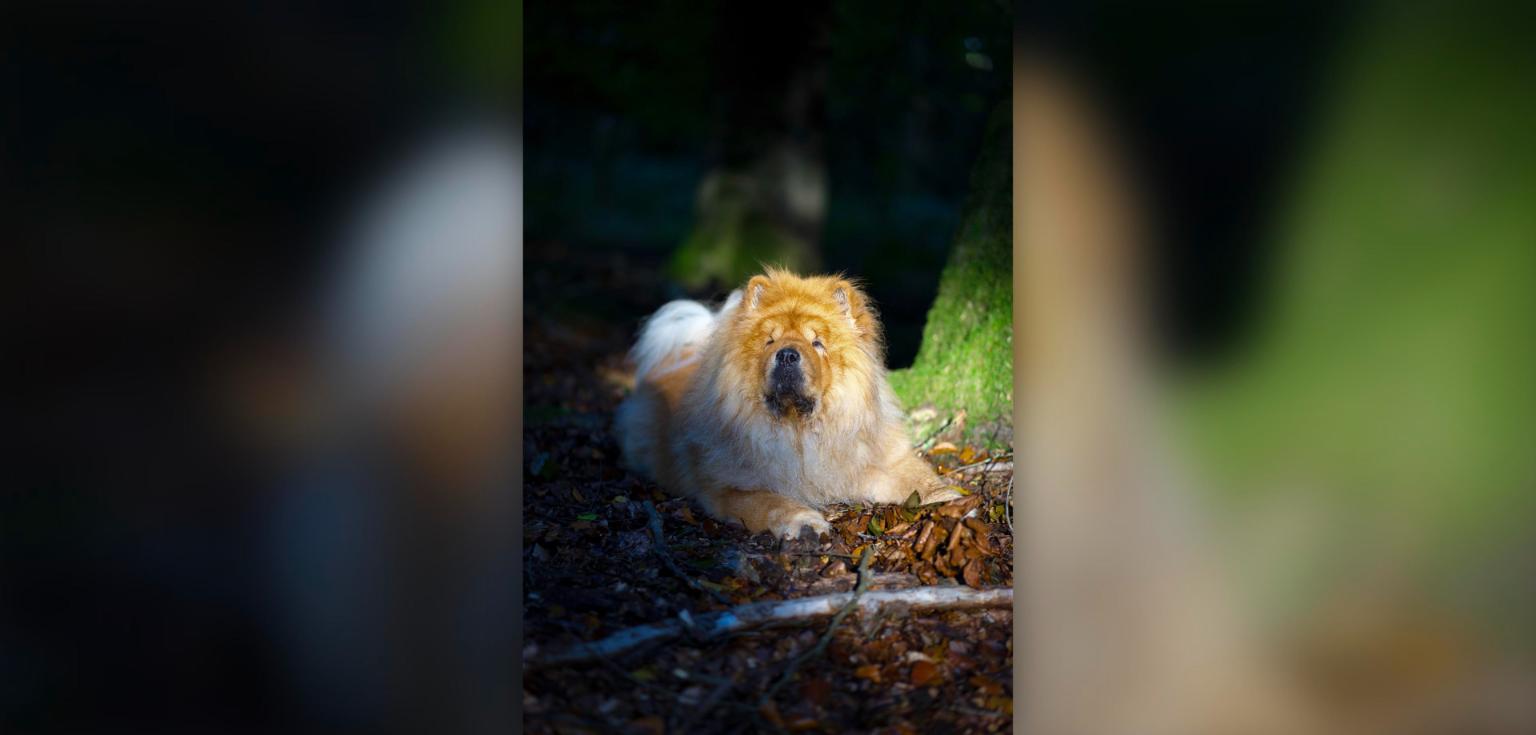
How much do adult dogs sleep?
A lot. Adult dogs spend a large part of the day resting or sleeping. You'll often see 12 to 14 hours quoted, though there's surprisingly little solid research on exact numbers, and it varies between dogs.
Puppies and older dogs often need even more.
Sleep helps learning
Researchers in Hungary have studied sleep in dogs. In one study, dogs did better on a newly learnt task after a nap, and changes in their sleep brainwaves were linked to how well they did. A second experiment found that other activities, like a gentle walk, helped too, so the researchers called for more studies.
So a short training session followed by some rest isn't lazy. It may help your Chow consolidate what they've learnt.
Signs your Chow isn't getting enough rest
- Restlessness, pacing or struggling to settle
- More barking or reactivity than usual
- Grumpiness with other pets
- Mouthing or nipping
- Seeming 'wired' in the evenings
In my experience, many owners think their dog needs more exercise when they actually need more rest.
How to help your Chow rest well
Give them a quiet spot. A comfortable bed away from the busiest part of the house. Many Chows like somewhere cool, especially in summer.
Protect their rest. Don't let children or other pets disturb them while they're sleeping.
Teach a settle. Reward your Chow for lying calmly on a mat. Over time, the mat becomes a cue to relax.
Have calm days. Not every day needs a big adventure. Quiet days with a short sniffy walk and some chews can help after a busy or stressful day.
Watch the evenings. If your Chow gets wired late on, a calm activity like a lick mat or a chew can help them wind down.
Rest after stress
After something stressful, like a vet visit or a scary encounter on a walk, many trainers recommend a few quieter days to give your Chow time to recover.
When to see the vet
Talk to your vet if your Chow's sleep changes suddenly. Sleeping much more than usual, restlessness at night, or struggling to get comfortable can all be signs of pain or illness.
A note on health. This post is general information, not a diagnosis or a replacement for your vet. If you're worried about your Chow, or things aren't improving or are getting worse, we recommend you speak to your vet.
Quick answers
How much do adult dogs sleep?
A lot. Adult dogs typically spend a large part of the day sleeping or resting. Figures of around 12 to 14 hours are often quoted, though it varies with age, health and lifestyle.
Does sleep help dogs learn?
Early research suggests it may. In a Hungarian study, dogs did better on a newly learnt task after a nap, and their sleep brainwaves were linked to how well they did. More research is needed.
Can lack of sleep make a dog reactive?
Many trainers find tired, under-rested dogs cope less well with stress. If your Chow seems more reactive, look at their rest as well as their training.
Now it's your turn
For one week, keep a simple diary. When does your Chow sleep, and for how long? You might be surprised by the pattern. Then look for one way to protect their rest.
If your Chow struggles to settle, book a 1:1 consultation and we'll look at their routine together.
Want a tip like this every week? Join my free Sunday newsletter and get the Chow Chow Basics guide too.