Choosing a Puppy Class for Your Chow Chow: What to Look For
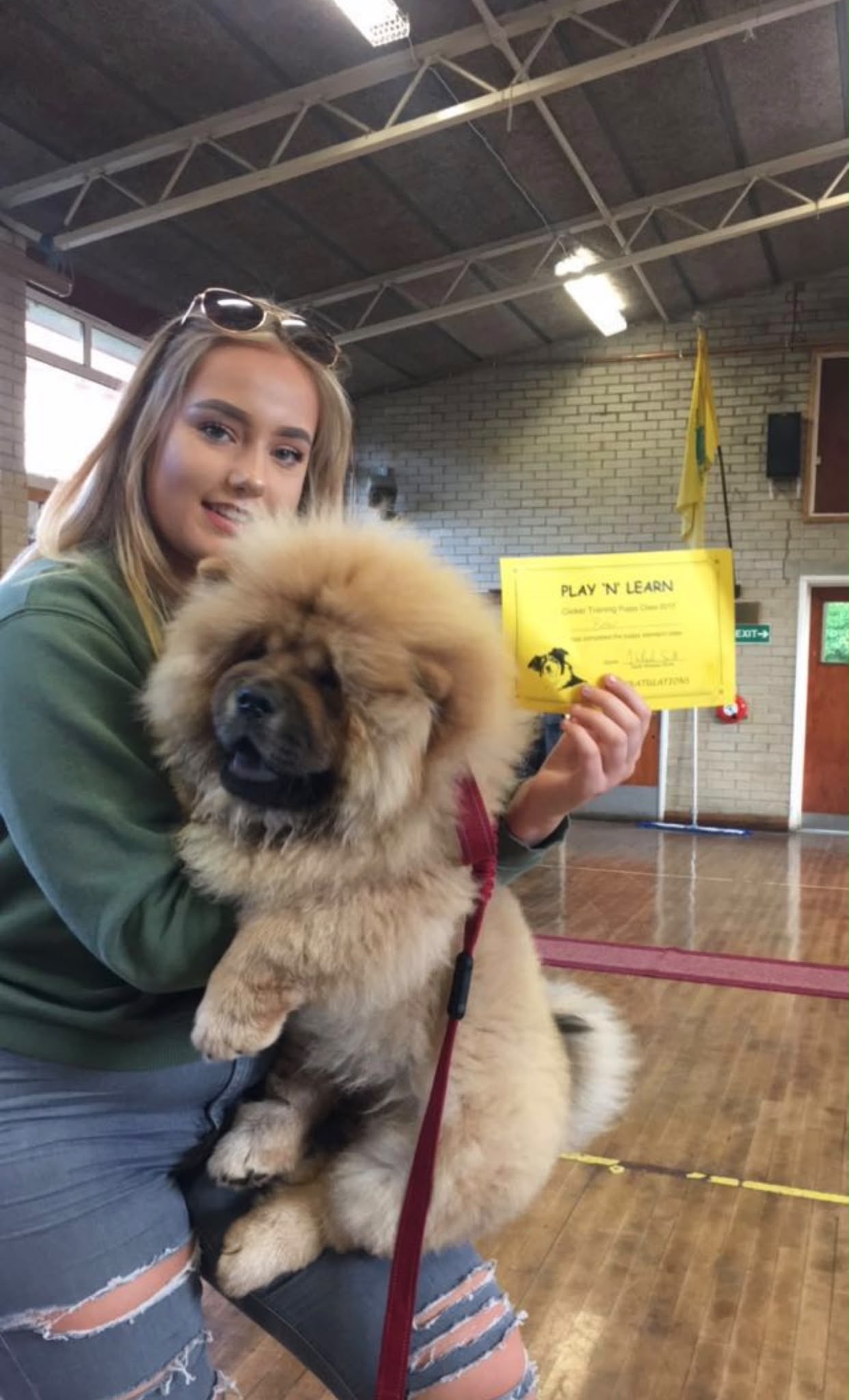
A good puppy class can be one of the best things you do for your Chow.
A bad one can teach them that other dogs are scary, that training means being pushed about, and that new places are overwhelming.
So it's worth choosing carefully.
What a good class looks like
Small numbers. Fewer puppies means more space and more attention for each one.
A qualified, force-free trainer. Dog training isn't regulated in the UK, the US or most other countries, so anyone can call themselves a trainer. Ask about their qualifications and methods.
Space between puppies. Each puppy has room to work without being crowded.
Short sessions. Puppies tire quickly.
Calm. Not chaos. A puppy class shouldn't feel like a soft play centre.
Real life skills. Name response, settling, handling, loose lead foundations, recall games. Not just sit and paw.
Owner education. Body language, toilet training, biting, sleep. A good trainer teaches you as much as your puppy.
The play question
Lots of puppy classes include off-lead play. For some breeds, that's fine.
For many Chows, it isn't.
Lots of Chows are selective with other dogs, even as puppies. Being bowled over by a bouncy Labrador puppy might teach your Chow that other dogs are rude and overwhelming.
A good trainer will:
- Keep any play short and carefully matched
- Watch body language closely
- Let puppies opt out
- Never force a puppy to 'get over it'
If the trainer tells you your Chow just needs to toughen up, that's not the class for you.
Red flags
- Off-lead free-for-all play
- Lead jerks, choke chains or prong collars
- Spray bottles, shake cans, or any startle methods
- Shouting at puppies
- Talking about dominance or being 'pack leader'
- Big classes with puppies crammed together
Questions to ask before you book
- What qualifications do you have?
- What methods do you use? What happens if a puppy gets it wrong?
- How many puppies are in a class?
- Is there off-lead play? How is it managed?
- What happens if my puppy is worried?
- Can I come and watch a class first?
A good trainer will be happy to answer all of these.
If your Chow finds class too much
That's OK. Some Chows find a group setting overwhelming. One-to-one sessions, or watching a class from a distance before joining, can be better options.
Quick answers
Are puppy classes good for Chow Chows?
A good, calm, force-free class can be great. In my experience, many Chows do best in small classes where they are not pushed into play with other puppies.
What should I look for in a puppy class?
Small numbers, a qualified force-free trainer, plenty of space between puppies, short sessions, and a trainer who understands that not every puppy wants to play.
What are red flags in a puppy class?
Free-for-all off-lead play, any use of punishment, shouting, lead jerks, spray bottles or shake cans, and trainers who talk about dominance.
Now it's your turn
Find two or three puppy classes near you. Ask the questions above. Then go and watch one before you book. You'll learn more in ten minutes of watching than any website will tell you.
If you'd rather start at home, Chow Chow Foundations has a full puppy module you can work through at your own pace.
Find out more about Chow Chow Foundations
Want a tip like this every week? Join my free Sunday newsletter and get the Chow Chow Basics guide too.