
The Teenage Chow Chow: Surviving Adolescence
Your Chow puppy was doing so well. Coming when called. Sitting nicely. Calm with visitors.
Then, almost overnight, they've forgotten everything. They ignore you. They bark at things they used to be fine with. They test every boundary.
Welcome to adolescence.
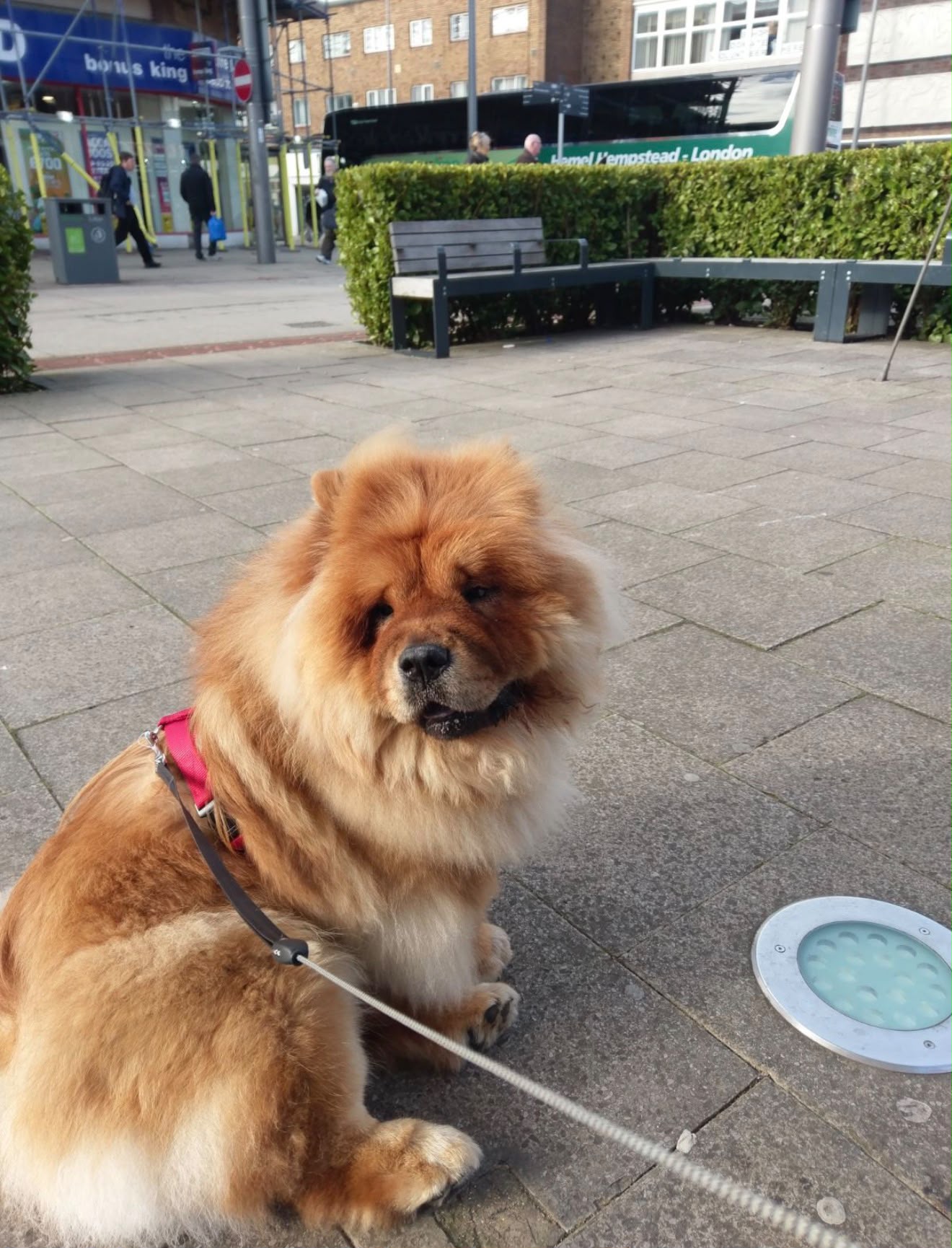
What's happening
Adolescence in dogs is a lot like it is in humans. Big changes in the brain and body. Hormones. A growing sense of independence.
A UK study by Newcastle University and others found adolescence typically starts between six and nine months. Dogs in the study were less responsive to their owners around eight months, then improved again by 12 months. Larger, heavier dogs can take longer to mature, and every Chow is different.
The second fear period
Many trainers and vets describe a second fear period during adolescence. It's widely reported, but there's little formal research on exactly when it happens or how long it lasts. What owners see is a dog who goes through phases of being more easily worried.
During this time, your Chow might suddenly become worried about things they were fine with. A bin on the street. A man in a hat. A dog they've passed a hundred times.
Don't panic. Keep going with calm, positive exposure. Work at a distance your Chow can cope with. Comfort them if they're scared. You can't reinforce fear by comforting a frightened dog.
Common teenage behaviours
- Recall going out of the window
- Ignoring cues they knew well
- More pulling on the lead
- More barking or reactivity
- Testing boundaries at home
- More interest in other dogs, smells and everything except you
How to get through it
Make it easier. Go back a few steps in your training. Lower distractions. Higher value treats. Shorter distances.
Keep training short and fun. Five minutes, a few times a day.
Manage, manage, manage. Long lines for recall. Gates at home. Don't give your teenager the chance to practise the behaviours you don't want.
Stay consistent. Same rules, same cues, everyone in the house.
Don't take it personally. Your Chow isn't being defiant. Their brain and body are still developing.
Protect sleep. Teenage dogs still need lots of rest. A tired teenager is a grumpy teenager.
Keep socialising. Calm, positive experiences, at your Chow's pace.
What not to do
- Punish. It damages trust right when your Chow needs it most.
- Give up on training.
- Flood them with scary situations to 'get them used to it'.
- Assume they've 'gone bad'.
It does pass
Most teenage dogs come out the other side as lovely, settled young adults. And the foundations you built as a puppy are still there. They just need dusting off.
Quick answers
When do Chow Chows go through adolescence?
Research suggests adolescence typically starts somewhere between 6 and 9 months, and larger breeds often take longer to mature. Every dog is different.
Is there a second fear period in dogs?
Many trainers and vets describe one, where an adolescent dog suddenly becomes worried about things they were fine with before. It is widely reported, but there is little formal research on its exact timing.
Should I stop training during adolescence?
No. Keep training, but make it easier, keep sessions short and stay consistent. Your foundations are still there.
Now it's your turn
Pick the one skill that's slipped the most. Recall, loose lead, or calm at the door. Go back to the very first step of that skill this week, and rebuild it in a quiet place.
If adolescence has brought big changes, book a 1:1 consultation and we'll work through it together.
Want a tip like this every week? Join my free Sunday newsletter and get the Chow Chow Basics guide too.