
5 Mistakes That Quietly Ruin Chow Chow Behaviour
Chow Chows get a bad press. Stubborn. Aloof. Difficult. 'You'll never train one of those.'
I've worked with over 50 Chows and their owners, and I can count on one hand the ones who were genuinely difficult dogs.
What I see far more often is a thoughtful, intelligent dog reacting badly to pressure and confusion. In my experience, most Chow behaviour problems are learnt responses, not personality flaws. Which is good news, because learnt things can be changed.
Here are the five mistakes I see most.
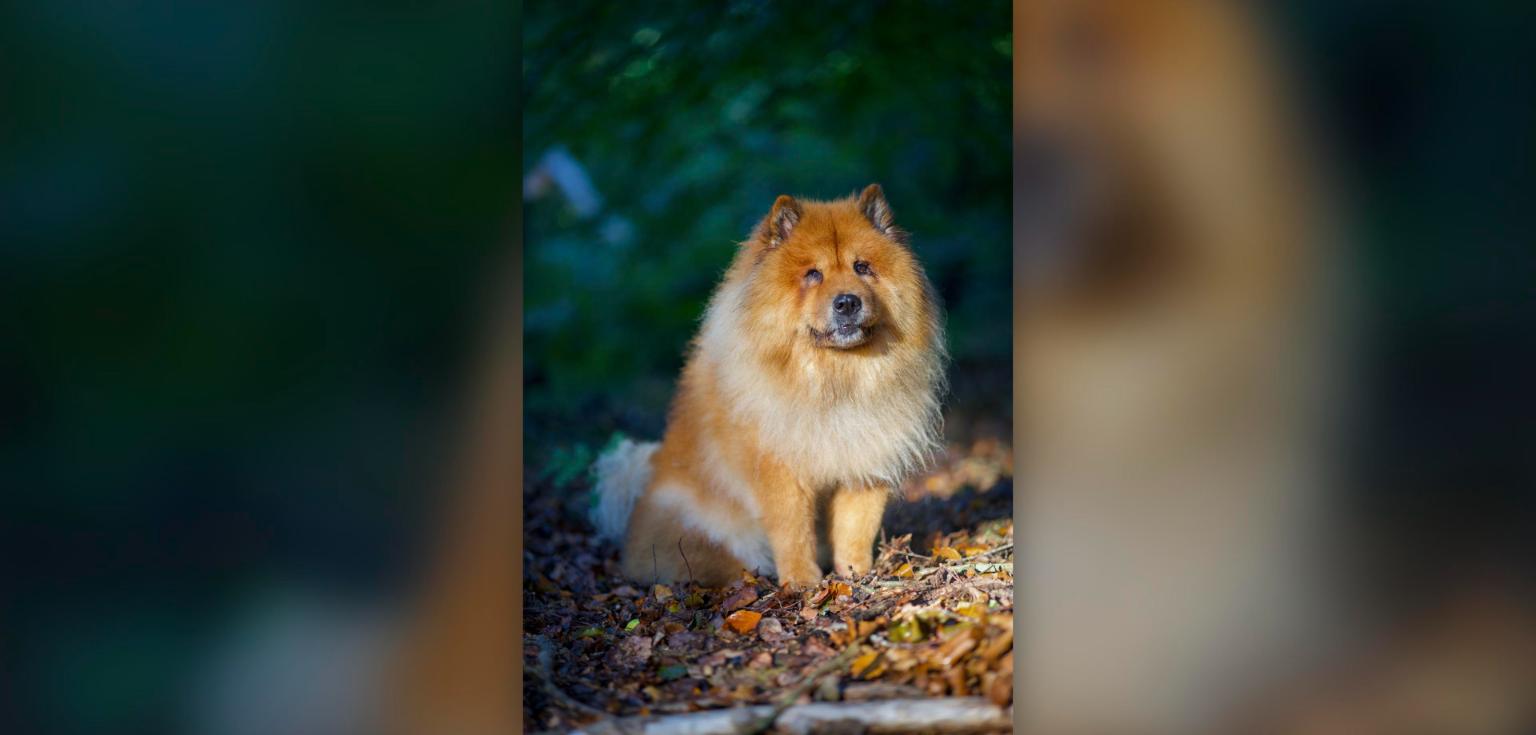
1. Treating independence as disobedience
Chows aren't impulsive responders. They take a moment to process what you've asked and to check what's going on around them.
So when you ask for a sit and your Chow pauses, that isn't defiance. They're thinking. Rush them, repeat yourself or lean over them, and you replace clarity with pressure.
Instead: ask once, then give them a few seconds of thinking time. Reward the choice when it comes.
2. Repeating cues instead of teaching them
'Sit. Sit. Sit. SIT.'
Every repeat teaches your Chow that the first one didn't count. Before long, 'sit' means 'sit after the fourth time, when they're getting a bit shouty'.
Instead: one clear cue. Mark the first correct response with 'good' and reward it. If it doesn't happen, reset calmly and make it easier next time.
3. Using physical pressure to get the behaviour
Pushing their bottom down for a sit. Pulling them into position with the lead. Holding them still for grooming.
Physical pressure raises stress. Research has linked aversive training methods with more signs of stress in dogs, and for a sensitive, independent breed it damages trust quickly. In my experience, Chows remember who pushes them around.
Instead: use luring, shaping and rewards so your Chow chooses to move into position themselves.
4. Expecting a social butterfly
Chows are selectively social. Most don't want to say hello to every dog and every stranger on the high street. That's part of the breed.
Forcing greetings takes away their choice, and a Chow with no choice is a stressed Chow.
Instead: aim for calm neutrality. Your Chow can see another dog or person, stay relaxed and carry on. That's a brilliant result. Give them distance and let them choose whether to engage.
5. Everyone in the house doing it differently
One person lets the Chow on the sofa, another doesn't. One says 'down' for lie down, another uses it for 'get off me'. One stops when the lead goes tight, another just keeps walking.
To your Chow, that's chaos. Inconsistency creates confusion, and confusion creates stress.
Instead: sit down as a household and agree the words and the rules. Write them on the fridge if you need to.
The common thread
None of these are about dominance or attitude. They're about pressure instead of clarity, repetition instead of teaching, and expectation instead of understanding.
Fix those, and Chows become cooperative, confident and deeply loyal. Which is what they wanted to be all along.
Quick answers
Are Chow Chows stubborn?
In my experience, not usually. Chows are thoughtful and independent. They take time to process what you ask, and they respond badly to pressure and confusion. That often gets mistaken for stubbornness.
Should I repeat a cue if my Chow ignores it?
No. Repeating teaches your Chow the first cue does not count. Ask once, give thinking time, and make it easier if it does not happen.
Do Chow Chows need to greet other dogs?
No. Chows are selectively social. Aim for calm neutrality, where your Chow can see another dog and stay relaxed, rather than forcing greetings.
Now it's your turn
Pick one cue you use every day, like sit or come. For the next week, say it once and only once. If your Chow doesn't respond, make it easier rather than louder. Notice how quickly the first cue starts to count.
If you'd like help working out what's going on with your own Chow, you can book a 1:1 consultation with me.
Want a tip like this every week? Join my free Sunday newsletter and get the Chow Chow Basics guide too.