Why Do Chow Chows Have Blue Tongues? Facts and Myths
Every Chow owner knows the moment. Someone stops you on a walk, your Chow yawns, and the stranger gasps. 'Is that dog OK? Its tongue is blue!'
Yes. Perfectly OK. It's meant to be like that.
Why the tongue is blue
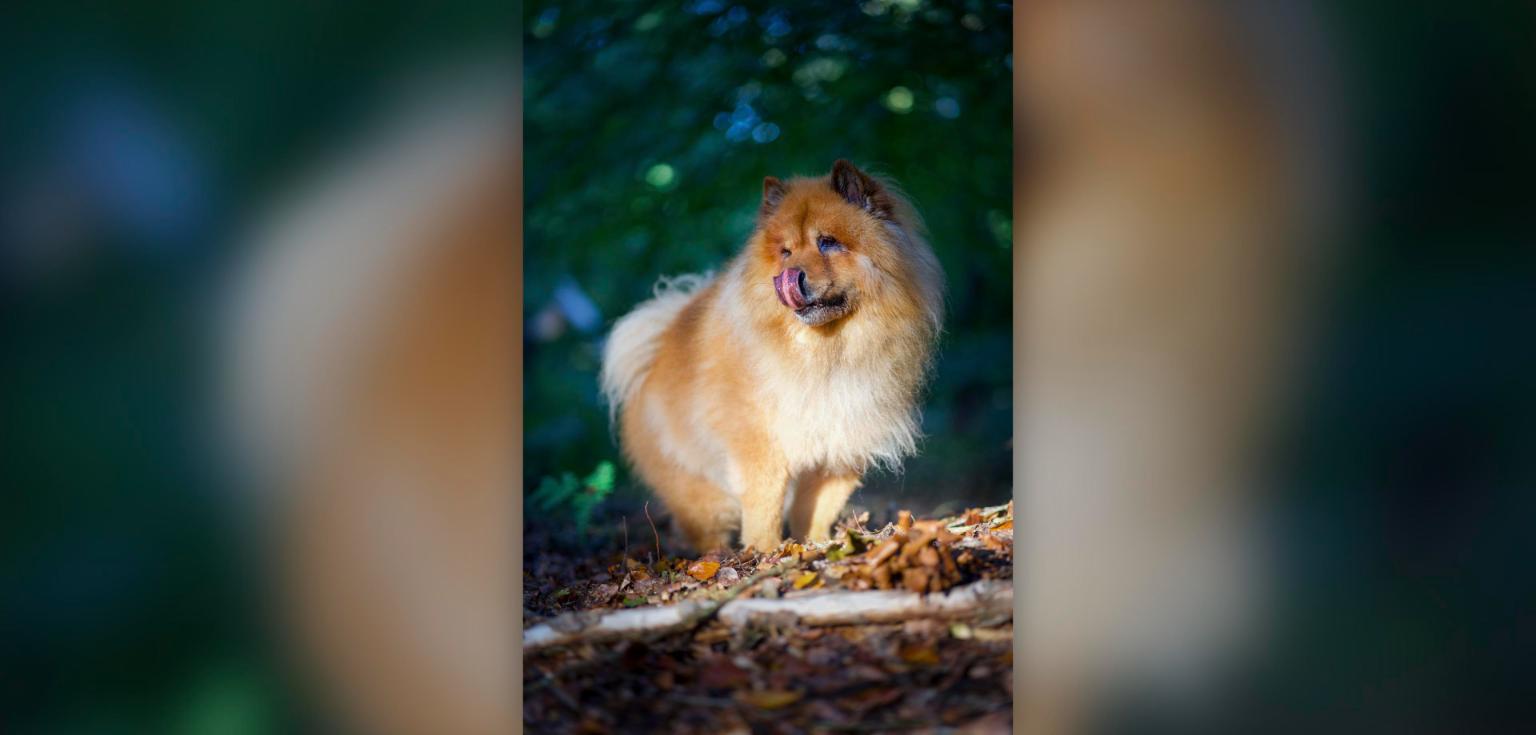
A Chow's tongue is dark because of extra pigment, the same kind of pigment that gives skin and coat its colour. It's genetic, and it's part of what makes a Chow a Chow.
Both the UK and US breed standards ask for it. The UK standard describes a solid black mouth with a bluish-black tongue as ideal. The AKC goes further, and a pink or red spot on the top or edges of the tongue is a disqualification in the US show ring.
That's a show rule, though. A Chow with a pink patch on their tongue is every bit as much a Chow at home.
Nobody knows for certain why the breed developed it. You'll hear plenty of stories and legends, but the honest answer is that it's simply a trait that's been bred into the line for a very long time.
Puppies start pink
Here's the bit that surprises new owners. Chow puppies are born with pink tongues.
The colour darkens over the first few weeks, often patchy to begin with, with spots of blue appearing before it fills in. By the time your puppy comes home at around eight weeks, the tongue is usually well on its way.
Does colour vary?
It can. Dilute coloured Chows, like blues and fawns, often have a lighter, more blue-grey tongue than reds and blacks, and the UK standard notes that some dilution may show in their gums. Some adults keep a few pink patches.
Myths you'll hear
'A blue tongue means the dog is part wolf.' No.
'Only purebred Chows have blue tongues.' Not quite. The Shar-Pei has one too, and plenty of other breeds can have blue or black spots on their tongues. A spotted tongue doesn't make your Labrador part Chow.
'A blue tongue means the dog is ill.' In a Chow, no. In a breed that normally has a pink tongue, a blue or purple tongue can mean a lack of oxygen and needs a vet urgently. That's why the stranger on your walk panicked.
When to worry
Know what your Chow's tongue and gums normally look like. Then you'll spot a change.
Because many Chows have dark gums, colour changes can be hard to see. Ask your vet to show you how to check the pink skin inside the lower eyelid instead. It's a useful backup.
Speak to your vet if you see:
- A tongue or gums that look pale or white
- A bright red tongue, especially with heavy panting on a warm day
- A purple or darker than usual colour along with breathing trouble
- Sores, lumps or bleeding on the tongue
Heavy panting with a very red or dark tongue on a hot day can be a sign of heatstroke. That's an emergency. Get your Chow somewhere cool and call your vet. Chows are a high-risk breed for heatstroke, so take warm days seriously.
A handling tip
Checking your Chow's mouth is much easier if they're used to it. Lots of Chows don't love hands near their face, so build it slowly. Touch the muzzle briefly, then reward. Lift a lip for a second, then reward. Over a few weeks you'll be able to have a proper look, and your vet will thank you.
A note on health. This post is general information, not a diagnosis or a replacement for your vet. If you're worried about your Chow, or things aren't improving or are getting worse, we recommend you speak to your vet.
Quick answers
Why do Chow Chows have blue tongues?
The colour comes from extra pigment in the tongue, which is genetic. Both the UK and US breed standards ask for a blue-black tongue, but nobody knows exactly why the breed developed it.
Are Chow Chow puppies born with blue tongues?
No. Chow puppies are born with pink tongues, which darken over the first weeks of life.
Should I worry if my Chow's tongue changes colour?
A sudden change, such as a pale, white, bright red or purple tongue, can be a sign of a health problem. Speak to your vet straight away.
Now it's your turn
Next time your Chow yawns, take a photo of their tongue and gums. Keep it on your phone. If you're ever worried something has changed, you'll have a 'normal' to compare against.
Want a tip like this every week? Join my free Sunday newsletter and get the Chow Chow Basics guide too.