Chow Chow Body Language: How to Read a Breed That Doesn't Shout
Some dogs tell you everything. Bouncing, wagging, whining, rolling over.
Chows are not those dogs.
In my experience, Chows are subtle. They rarely make a scene. And on top of that, the breed's looks make their signals harder to see. A huge ruff hides the neck and shoulders. Deep-set eyes are hard to read. The tail curls over the back, so you can't always see what it's doing.
That's why learning Chow body language is one of the most important things you can do.
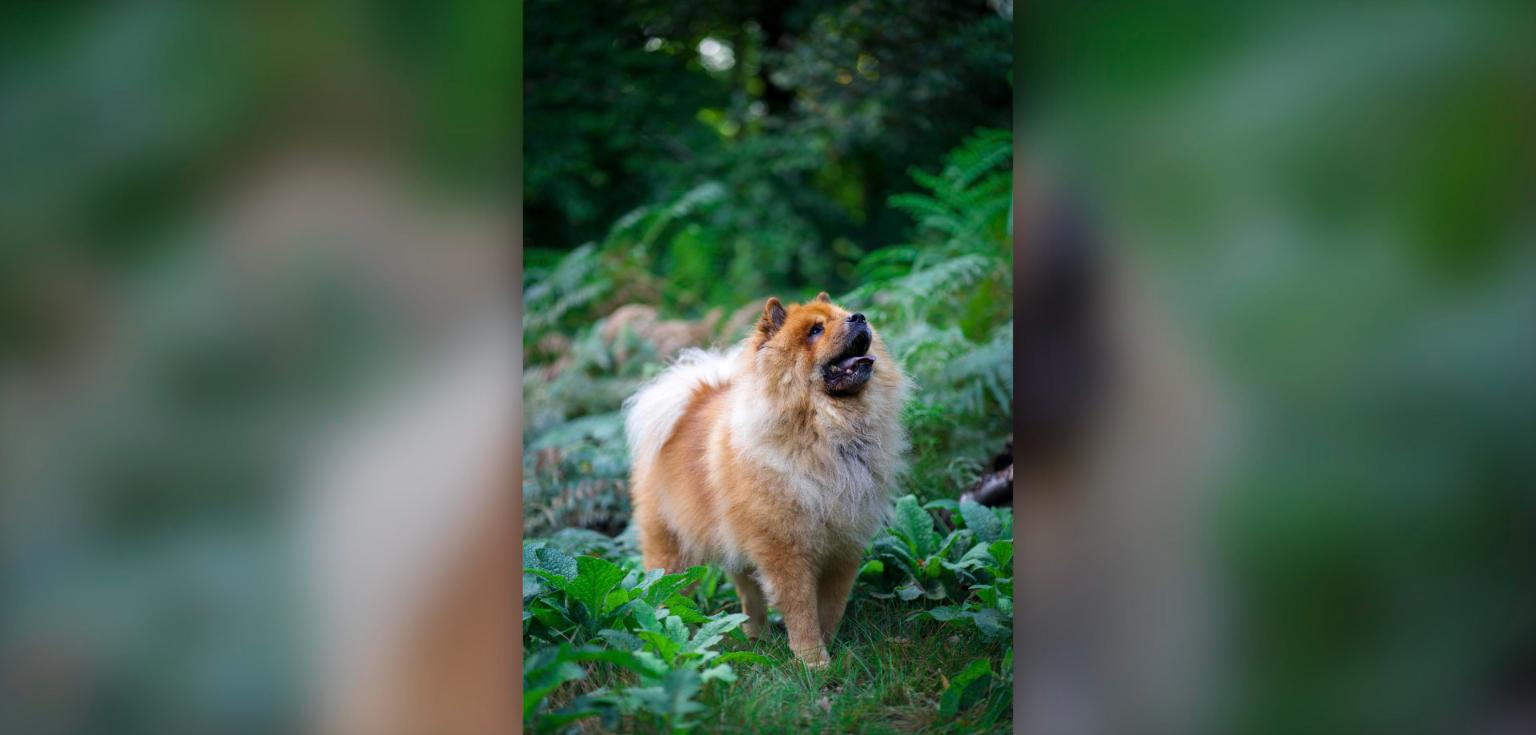
Start with relaxed
You can't spot stress if you don't know what relaxed looks like for your Chow.
Watch them when they're settled at home. Notice:
- How their mouth looks. Soft, maybe slightly open?
- How their eyes look. Soft, normal blinking?
- How they hold their body. Loose, weight evenly spread?
- Where their tail sits when they're comfortable.
That's your baseline.
The face
- Soft mouth, relaxed lips. Comfortable.
- Closed, tight mouth. Something has their attention. Could be worry, could be focus.
- Lip licking or tongue flicks, when there's no food around. Often a sign of mild stress.
- Yawning when they're not tired. Another common stress signal.
- Whale eye. You can see the whites of the eyes as your Chow looks sideways at something. Take this seriously.
- Hard stare. Fixed, still, intense. Give space.
The body
- Loose and wiggly. Relaxed.
- Stiff, still or frozen. Something is wrong. Freezing is often the last quiet warning before something bigger.
- Weight shifted backwards. Unsure, wanting to move away.
- Weight shifted forwards, leaning in. Very focused, possibly about to react.
- Turning the head or body away. A polite 'no thanks'. Respect it.
- Slowing down or stopping on a walk. Often worry, not stubbornness.
The tail
A Chow's tail usually curls over the back. Changes in how high or tight it sits can tell you something, but it's not reliable on its own.
A moving tail doesn't always mean a happy dog. Tails move with excitement, arousal and stress too. Always look at the whole dog.
Sounds
Chows are often quiet. A growl from a Chow is a big deal. It's communication, and it's useful. Never punish a growl. If you do, you lose the warning, not the worry.
The signals people miss most
From the Chows I've worked with, these are the ones owners most often miss:
- Turning the head away when someone reaches to stroke them.
- Going still when a visitor leans over them.
- Slowing down on a walk before a trigger.
- Avoiding something they used to tolerate.
These aren't quirks. They're information.
Quick answers
Why is Chow body language hard to read?
The thick ruff hides the neck and shoulders, the deep-set eyes are hard to see, and the tail curls over the back. Chows are also quiet communicators who rarely make a fuss.
What are signs my Chow is stressed?
Turning the head away, lip licking, yawning out of context, freezing, slowing down, showing the whites of the eyes, and avoiding things they used to cope with.
Does a wagging tail mean a Chow is happy?
Not always. A tail can move with excitement, stress or arousal. Look at the whole dog, not just the tail.
Now it's your turn
Spend ten minutes this week just watching your Chow at home, without interacting. Write down three things they do when they're relaxed. Then, next walk, look for any change from that baseline.
Reading your Chow is a core part of Chow Chow Foundations, because almost everything else builds on it.
Find out more about Chow Chow Foundations
Want a tip like this every week? Join my free Sunday newsletter and get the Chow Chow Basics guide too.