
Door Manners: Teach Your Chow to Wait at Doors and Gates
Front door opens. Chow shoots out.
Car door opens. Chow leaps out before you've clipped the lead.
Garden gate opens a crack. You know the rest.
Door barging is one of those things people put up with until the day it nearly goes wrong. And with a Chow, who might not come straight back once they're out, it's worth sorting properly.
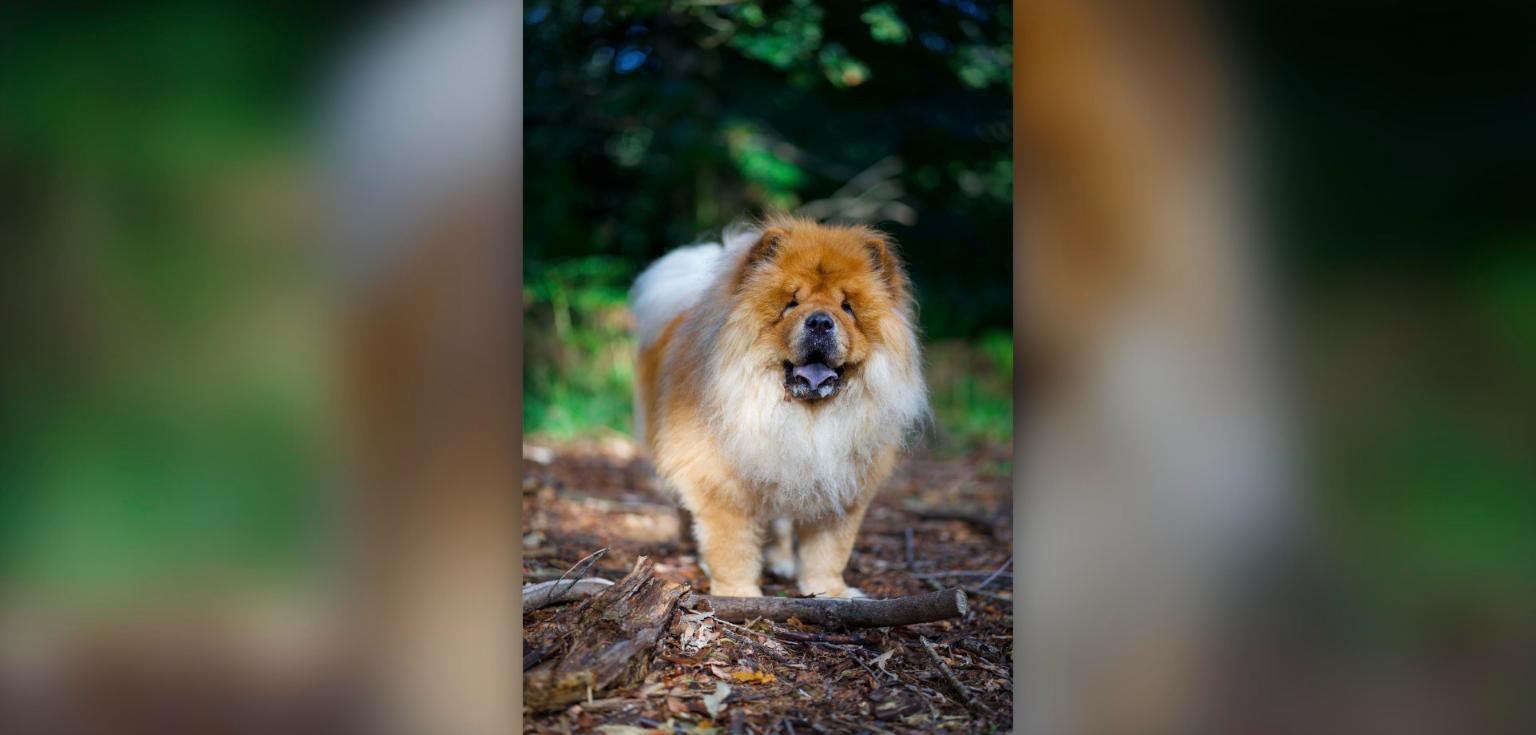
What we're teaching
Your Chow has a set behaviour to do when you reach a door or gate. Usually a sit or a down. They hold it while you open the door, and they only come through when you invite them.
Not because they're being bossed about. Because waiting has become the thing that gets them through the door.
The mistake most people make
They try to teach it at the door.
The door is the most exciting place in the house. Visitors, walks, the outside world. Trying to teach a brand new skill there is like learning to drive on the M25.
So we teach the behaviour somewhere boring first, then bring it to the door.
Step one: build the wait away from the door
- Pick your behaviour. Sit or down. Choose whichever your Chow finds easiest to hold.
- Practise it in a quiet room. Ask, mark with 'good', reward.
- Add duration. Wait a second before you mark. Then two, then five. Reward them in position.
- Add a release word. 'Free' or 'okay'. The wait ends when you say so.
- Add small distractions. Shuffle your feet, turn away, take a step back.
If your Chow pops up, you've gone too far. Go back a step.
Step two: bring it to the door
- Walk to the door with your Chow on lead.
- Cue the behaviour. Sit, or down.
- When they're in position, open the door a little. If they hold, mark and reward.
- Open it wider, then step through yourself.
- Invite them through with your release word or recall. Reward when they arrive beside you.
If they move before you invite them, simply close the door calmly and go back to an easier step. No telling off. The door closing is information enough.
Making it reliable
- Practise at every door you use: front door, back door, garden gate, car boot
- Build distance between you and your Chow while they wait
- Add a finish once they're through, like a sit beside you
- Practise when nothing exciting is happening, so it's solid before the doorbell goes
Where place training fits in
For visitors, a lot of Chows do better going to their mat or bed rather than waiting at the door itself. Wait at the door is for you going out together. Place is for other people coming in. Both are worth having.
Quick answers
How do I stop my dog barging through doors?
Teach a sit or down with a release word somewhere quiet first. Then bring it to the door, open it a little at a time, and only invite your dog through when they are holding the position.
Why teach the wait away from the door first?
The door is the most exciting place in the house. Learning a new skill there is too hard, so build it somewhere boring first.
What if my dog moves before I invite them through?
Calmly close the door and go back to an easier step. There is no need to tell them off.
Now it's your turn
Today, pick a quiet room and practise a five-second sit with a release word. Five reps. Tomorrow, do the same in your hallway, door shut. You'll be opening that door before the week's out.
Door, visitor and daily routine training are all in Chow Chow Foundations.
Find out more about Chow Chow Foundations
Want a tip like this every week? Join my free Sunday newsletter and get the Chow Chow Basics guide too.