
Checking Your Chow Chow's Ears: A Simple Weekly Routine
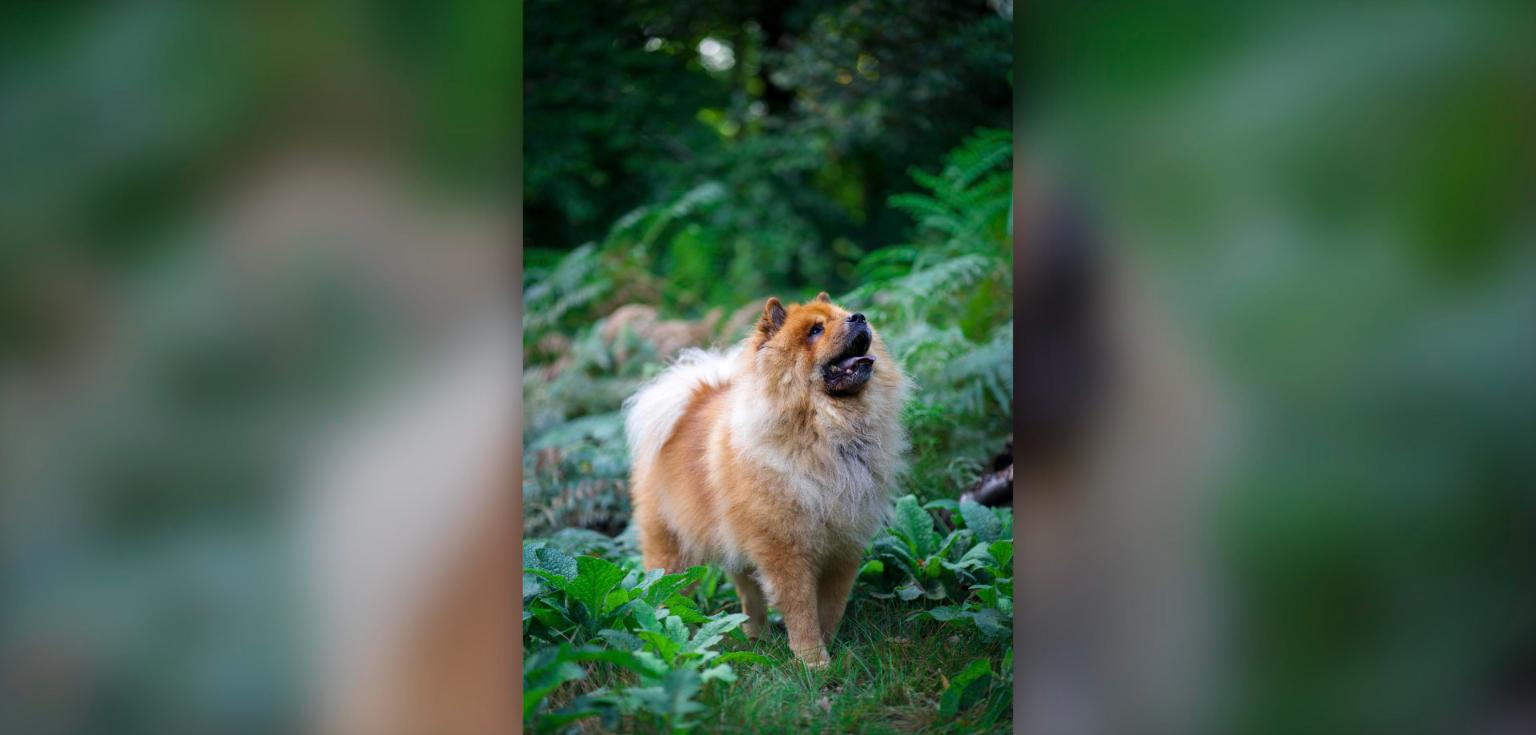
Chow ears are small, thick and slightly rounded at the tips, and they're carried upright. They're also surrounded by a lot of fur.
That means problems can hide. A grass seed, a bit of redness, the start of an infection. By the time you notice, your Chow may have been uncomfortable for a while.
A quick weekly check makes a big difference.
Get your Chow comfortable first
Lots of Chows aren't keen on hands near their head. Build it up slowly.
- Touch the base of the ear. Mark and reward.
- Hold the ear gently for a second. Mark and reward.
- Fold it back slightly to look inside. Mark and reward.
Short sessions. Watch for turning away, lip licking or moving off. If you see them, go back a step.
A chin rest works brilliantly for this. Your Chow rests their chin in your hand, and you only check while their chin is down.
What a healthy ear looks like
- Pale pink skin inside, or naturally darker in some Chows
- Clean, with little or no wax
- No strong smell
- No redness or swelling
Know what's normal for your Chow. Then you'll spot a change.
The weekly check
- Look inside each ear in good light.
- Have a sniff. A healthy ear doesn't smell bad.
- Feel around the base for any lumps or tenderness.
- Check the fur around the ear for mats.
Cleaning
Most healthy ears don't need much cleaning. If there's a little visible dirt:
- Use an ear cleaner your vet recommends
- Wipe only the parts you can see with a cotton pad
- Never use cotton buds. They can push debris further in and damage the ear
Grass seeds
In summer, grass seeds are a real risk. They can work their way into ears and cause pain and infection quickly.
If your Chow suddenly starts shaking their head, tilting it or pawing at an ear after a walk, see your vet the same day.
Signs to see the vet about
- Head shaking or tilting
- Scratching or pawing at the ears
- A bad smell
- Redness, swelling or heat
- Discharge
- Your Chow suddenly not wanting their ears touched
Don't put anything in an ear that might have a problem. Let your vet look first.
A note on health. This post is general information, not a diagnosis or a replacement for your vet. If you're worried about your Chow, or things aren't improving or are getting worse, we recommend you speak to your vet.
Quick answers
How often should I check my Chow's ears?
Once a week is a good habit, and after swimming or walks through long grass in summer when grass seeds are about.
Should I clean my dog's ears with cotton buds?
No. Cotton buds can push debris further in and damage the ear. Only clean the parts you can see, with an ear cleaner your vet recommends.
What are signs of an ear problem in a Chow?
Head shaking, scratching at the ears, a bad smell, redness, swelling, discharge, or holding the head on one side.
Now it's your turn
Pick a day this week, say Sunday evening, and make it ear check day. Do a two-minute check with treats. Same day every week, and it becomes a habit.
Want a tip like this every week? Join my free Sunday newsletter and get the Chow Chow Basics guide too.