Is My Chow the Right Weight? Body Condition Scoring a Chow
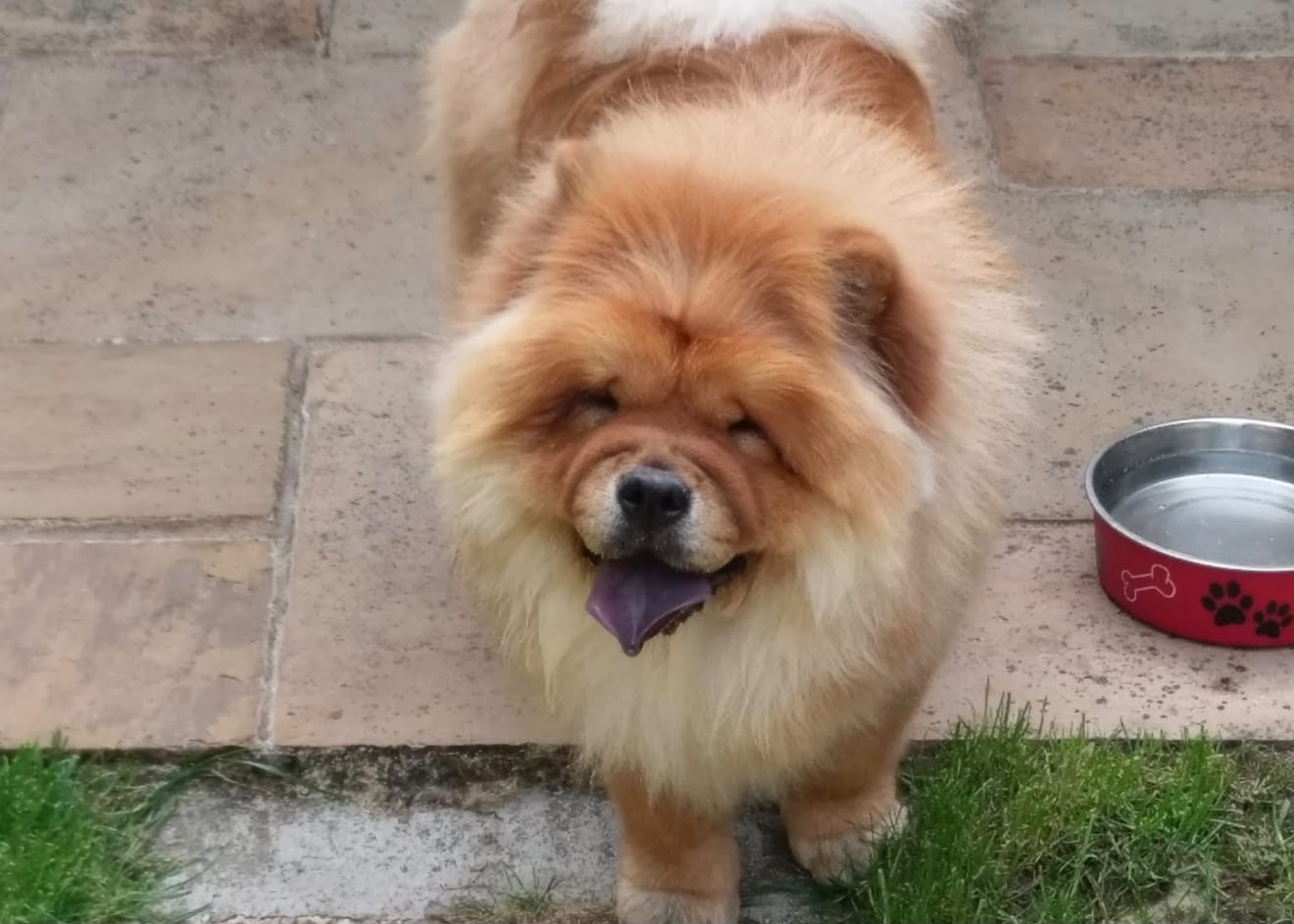
With a coat like a Chow's, it's very easy to miss a few extra kilos. A fluffy Chow can look the same whether they're lean or carrying too much weight.
That's why you need to use your hands.
Why weight matters
Extra weight puts strain on joints, makes it harder to cope with heat, and is linked with a range of health problems in dogs. Research has also linked being overweight with a shorter lifespan in some breeds.
For a breed already at high risk of heat-related illness, keeping lean matters even more.
Body condition scoring
Many vets use a body condition score from one to nine. Around four to five out of nine is usually ideal.
You don't need to memorise the scale. Just check three things with your hands.
1. Ribs. Place your hands flat on your Chow's sides. You should be able to feel the ribs easily, with a light covering of fat. Like feeling the back of your hand. If you have to press hard, there's too much covering. If they feel sharp and bony, there's too little.
2. Waist. Run your hands from the ribs back towards the hips. You should feel the body go in slightly behind the ribs.
3. Tummy tuck. From the side, under the coat, the tummy should rise up slightly from the chest towards the back legs.
Part the coat and look too. Wet Chows after a bath are a real eye-opener.
Weigh regularly
Weigh your Chow every month or so. Many vet practices have scales you can use for free. Write it down, so you can spot changes early.
If your Chow needs to lose weight
Talk to your vet first. They can rule out medical causes, like an underactive thyroid, and help set a safe target.
Then:
- Weigh food rather than using a scoop.
- Count treats as part of the daily allowance.
- Use part of their meal for training and enrichment.
- Swap high-calorie treats for lower-calorie options.
- Increase gentle activity gradually, especially sniffy walks, and avoid hot parts of the day.
- Get everyone on board. One person sneaking extra snacks undoes the work.
Slow, steady weight loss is safest. Your vet can tell you what rate is right for your Chow.
Underweight Chows
Thin Chows can be hidden by their coat too. If you can feel ribs, spine and hip bones very easily, or your Chow is losing weight without trying, see your vet.
A note on health. This post is general information, not a diagnosis or a replacement for your vet. If you're worried about your Chow, or things aren't improving or are getting worse, we recommend you speak to your vet.
Quick answers
How do I know if my Chow is overweight?
Use your hands, not your eyes. You should be able to feel your Chow's ribs easily with light pressure, and feel a waist behind the ribs. If you can't, ask your vet to check their body condition.
What is a body condition score?
A simple way of rating a dog's body fat by look and feel. Many vets use a nine-point scale, where around four to five out of nine is ideal.
How can I help my Chow lose weight safely?
Talk to your vet first. Weigh food, count treats as part of the daily allowance, and increase gentle activity gradually. Slow, steady weight loss is safest.
Now it's your turn
Tonight, do the three-step hands-on check. Ribs, waist, tummy. Then weigh your Chow if you can, and write it down. Check again next month.
If food guarding or begging makes weight loss tricky, book a 1:1 consultation and we'll help with the behaviour side.
Want a tip like this every week? Join my free Sunday newsletter and get the Chow Chow Basics guide too.