
Chow Chow Moulting: How to Survive the Coat Blow
If you've lived with a Chow through a coat blow, you'll know. Tumbleweeds of fluff rolling across the kitchen floor. Undercoat on your clothes, your sofa, your toast.
It's normal. It's also a lot. Here's how to get through it.
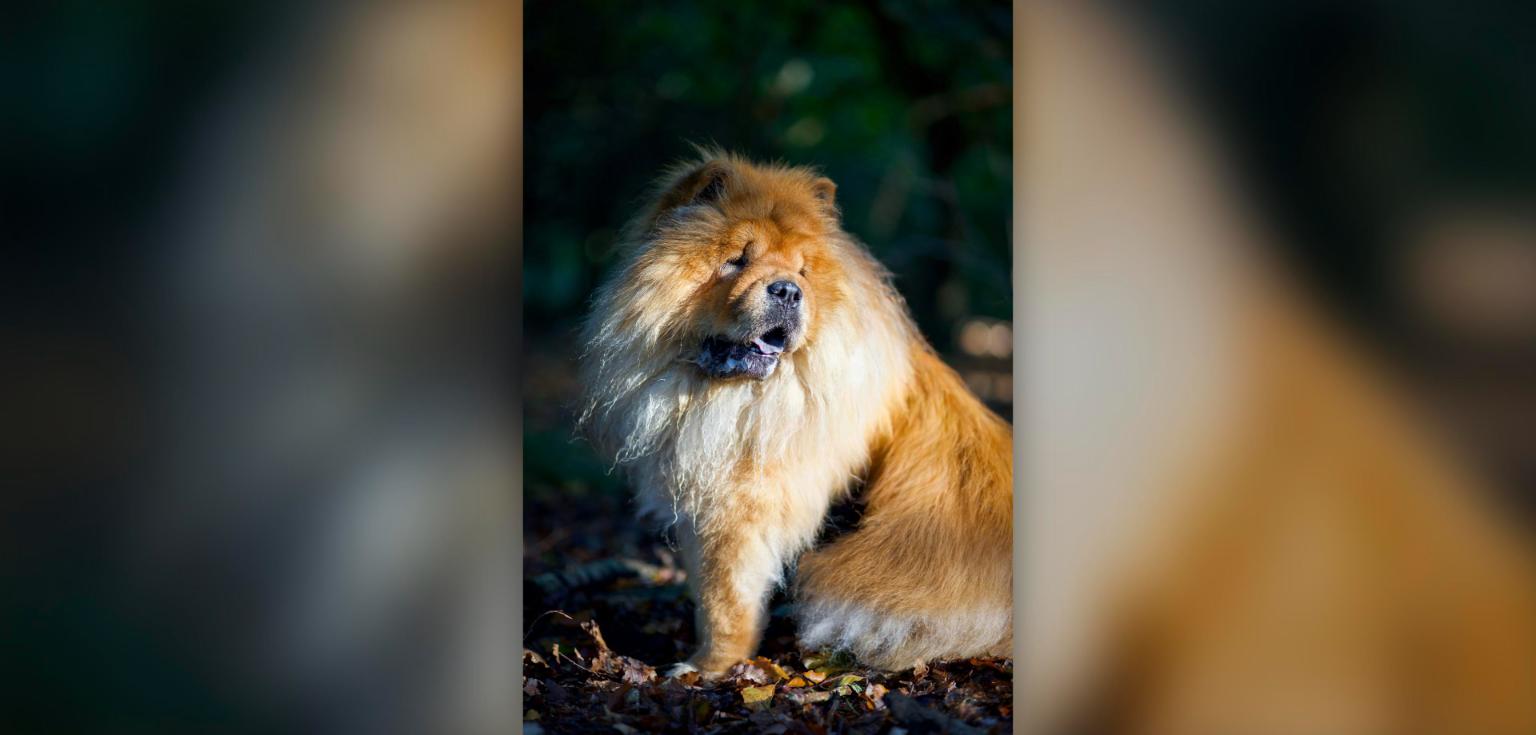
What's happening
Chows have a double coat. A coarse outer coat and a thick, soft undercoat. That's true of smooth-coated Chows too. Their coat is shorter, but they still moult.
A few times a year, the undercoat comes out in bulk. That's the coat blow. Most Chows have a big moult once or twice a year, often in spring and autumn. Females can also drop a lot of coat after a season or after having puppies.
They shed a little all year round too. But the blow is something else.
Why brushing matters so much now
If the loose undercoat isn't brushed out, it gets trapped against the skin. It mats. It holds moisture. And mats and damp skin are where hot spots and skin problems start.
So moulting season is when brushing matters most.
The moulting routine
Brush every day, or as close as you can. Short sessions. Ten to fifteen minutes.
Line brush. Part the coat in sections and brush from the skin outwards, a line at a time. Don't just brush the top.
Use the right tools. A good slicker brush and a metal comb are the basics. Comb through after brushing to check you've reached the skin.
Work in sections. One area per session if your Chow finds it hard. Trousers on Monday, ruff on Tuesday.
Check the tricky spots. Behind the ears, the ruff, the armpits, the trousers and the base of the tail.
Do it outside if you can. Or put down an old sheet.
Bathing during a blow
A bath can help loosen undercoat, but only if you can dry your Chow fully, right down to the skin. A damp Chow during a coat blow is a recipe for mats and hot spots.
Don't shave
Shaving doesn't stop shedding. Shaved plush coats can be slow to grow back, sometimes for a year or more, and the coat protects your Chow's skin from weather and sun. Chows are also one of the breeds prone to a hair-loss condition called alopecia X, so a coat that won't grow back is worth a vet check. Brush instead.
Make it a good experience
Lots of Chows aren't keen on long grooming sessions. Use a lick mat on the wall. Brush for a bit, stop, let them lick. Finish before they've had enough.
When to see the vet
Moulting is normal. But bald patches, sore or red skin, a lot of scratching, or a coat that never seems to grow back properly are worth getting checked.
A note on health. This post is general information, not a diagnosis or a replacement for your vet. If you're worried about your Chow, or things aren't improving or are getting worse, we recommend you speak to your vet.
Quick answers
How often do Chow Chows moult?
Most Chows have a heavy moult, often called a coat blow, once or twice a year. Females may also drop coat after a season or a litter. They shed a little all year round too.
How long does a Chow coat blow last?
Usually a few weeks. Regular brushing right down to the skin helps the loose undercoat come out faster and stops mats forming.
Should I shave my Chow during moulting?
No. Shaving does not stop shedding, and shaved plush coats can be slow to grow back. Brushing out the loose undercoat is the answer.
Now it's your turn
Next time your Chow starts dropping coat, put a slicker brush and a comb by the sofa. Do ten minutes of line brushing every evening while you watch telly. Keep a bag for the fluff. You'll be amazed how much comes out.
Want a tip like this every week? Join my free Sunday newsletter and get the Chow Chow Basics guide too.