
Is My Chow Chow Too Protective? Understanding Guarding at Home
'He's very protective of me.'
Owners often say this with a bit of pride. And with a Chow, some protectiveness is completely normal. Guarding was one of their traditional jobs, and most are naturally watchful.
But there's a line between a Chow who notices things and a Chow who feels they have to deal with everything.
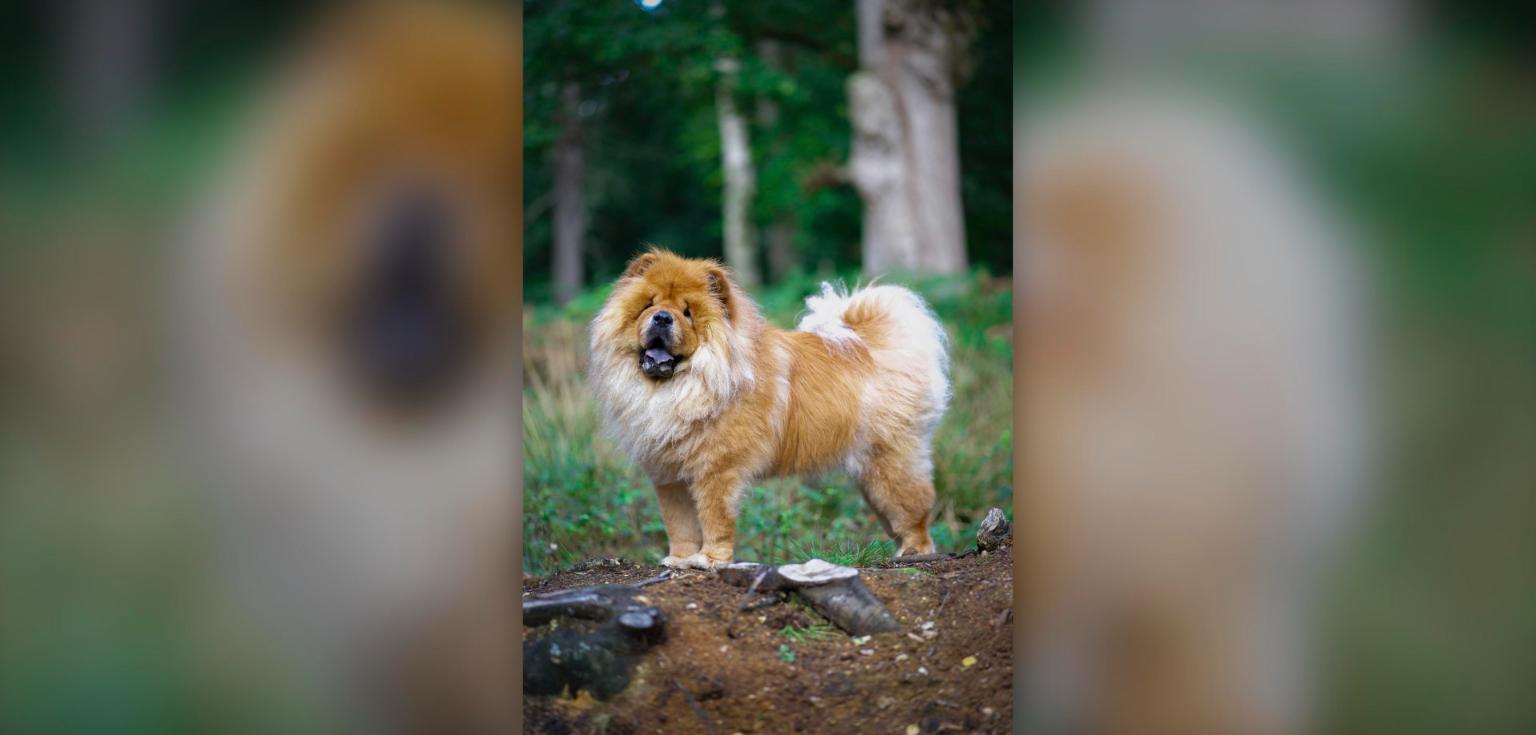
Normal alerting
- A bark or two when someone comes to the door, then settling
- Watching visitors carefully before deciding they're fine
- Choosing not to greet strangers
- Keeping an eye on the garden from the window
That's a Chow being a Chow.
Worrying guarding
- Growling, lunging or snapping at visitors
- Standing between you and other people and stiffening
- Guarding the sofa, bed or a doorway
- Being unable to settle while anyone is in the house
- Reacting to family members coming and going
That's a Chow under stress. And a stressed Chow is more likely to bite.
Why it gets worse
Every time your Chow guards and the 'threat' goes away, the behaviour is rewarded. Visitors leave. The delivery driver leaves. So the guarding gets stronger.
A Chow who has never been shown that visitors are safe and predictable will keep feeling on duty.
How to help
Reduce rehearsal. Use gates, window film and a quiet room so your Chow isn't practising guarding all day.
Give them a job. Teach your Chow to go to a mat when the doorbell goes. That's their role. Not the door, not the visitor. The mat.
Make visitors predictable. Same routine every time. Doorbell, mat, treat. Visitor comes in and ignores your Chow. Treats scatter on the mat.
Never force it. Visitors shouldn't reach for, stare at or lean over your Chow. If your Chow chooses to go and sniff them, lovely. If not, that's fine too.
Keep everyone safe. If there's any risk, your Chow stays in another room with a chew while visitors are over.
Look after your Chow's stress overall. Good sleep, calm enrichment, and walks that don't overload them all help.
You don't need a guard
This is something I tell lots of owners. Your Chow doesn't need to protect you. You can take that job off them. Calm routines, clear boundaries and good management tell your Chow that you've got this.
When to get help
If your Chow has snapped, bitten, or is guarding people in the house, speak to a qualified force-free behaviourist straight away.
Quick answers
Are Chow Chows protective?
Often, yes. Guarding was one of their traditional jobs and most are naturally watchful of their home and family. Early socialisation helps them tell normal from threatening.
When is protectiveness a problem?
When it involves growling, lunging or snapping at visitors, guarding people, or a Chow who cannot settle because they are always on alert.
How do I make my Chow less protective?
Reduce rehearsal, give them a clear job like going to their mat, make visitors predictable and never force interactions. Get professional help if there is any risk of a bite.
Now it's your turn
Write down exactly what happens when someone comes to your door. Every step. Then pick one step you can change this week, like having treats ready on the mat before you open the door.
If guarding is a worry, book a 1:1 consultation and we'll make a plan together.
Want a tip like this every week? Join my free Sunday newsletter and get the Chow Chow Basics guide too.