
Chow Chow Puppy Biting: What to Do Every Time It Happens
Your Chow puppy is gorgeous. A fluffy little bear.
With teeth like needles.
Puppy biting is one of the first things new Chow owners ask me about. So let's sort it.
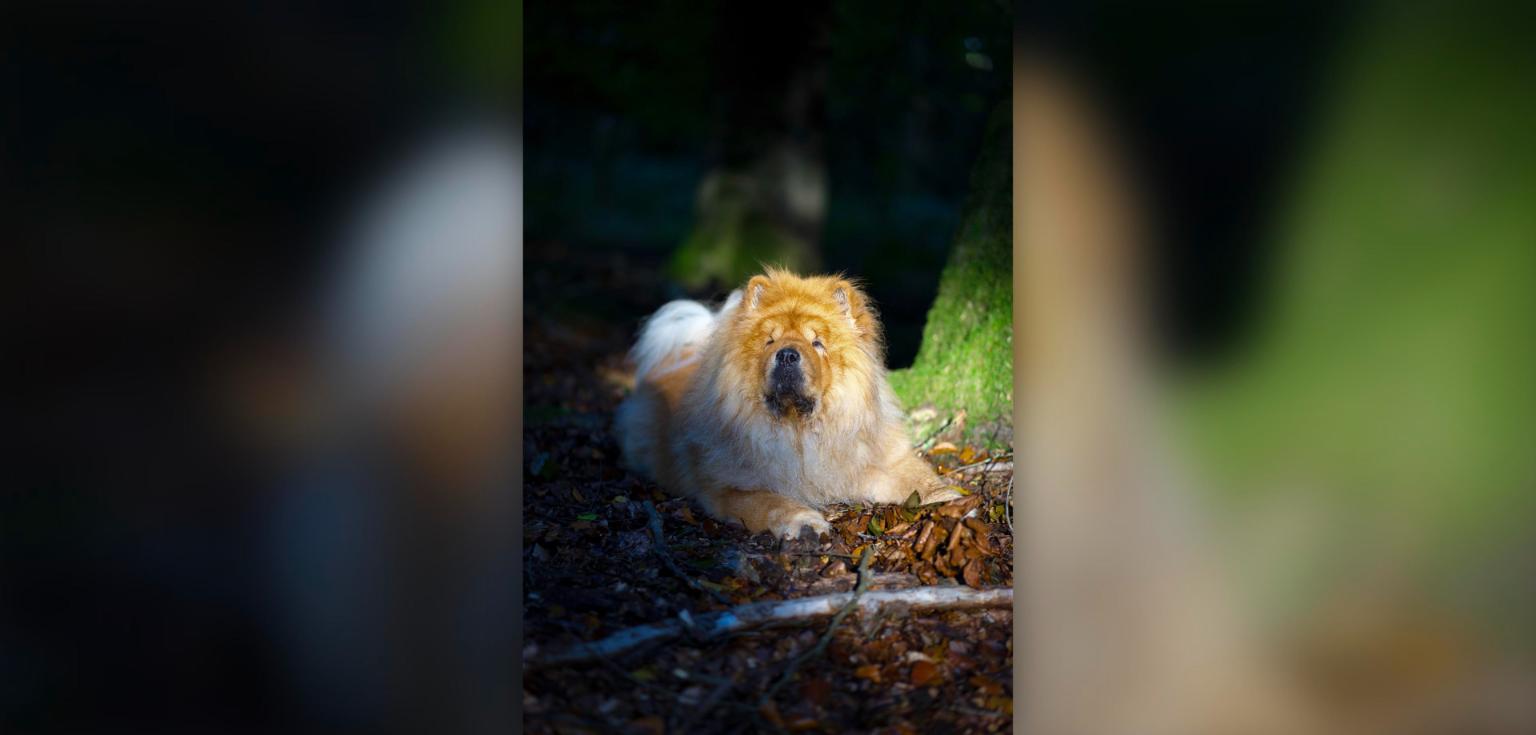
First, it's normal
Puppies explore the world with their mouths. Biting during play isn't aggression and it isn't your puppy being 'dominant'. It's a baby dog doing baby dog things.
The problem is how people react. Shouting, pushing the puppy away, tapping their nose or holding their mouth shut. None of it teaches your puppy what to do instead, and with a Chow puppy it can start to create defensive reactions you really don't want later on.
When your puppy bites, do this every time
- Freeze. Hands still, body still. Don't yank away or flap about, because that just makes you a more exciting toy.
- Say one neutral word. 'Oops' or 'too bad'. Same calm tone every time. Not angry, not loud.
- End the fun for a moment. Stand up and turn away for 5 to 10 seconds. If you've got a baby gate or pen, step behind it. No talking, no eye contact.
- Come back like nothing happened. No grudge, no lecture. Just carry on.
That's the whole consequence. Nothing else.
Now stop it happening so often
Keep a toy within reach. Before you sit down with your puppy, put a toy next to you.
Redirect early, not late. When they start getting mouthy, calmly put the toy to their mouth. The second they grab the toy, praise quietly and keep playing.
Soft mouth means play carries on. If they mouth you gently, stay calm and move them onto the toy.
Hard mouth means you step away. If the pressure goes up, go straight back to the four steps above.
The real cause: tired puppies bite
This is the bit most people miss. A puppy who's biting constantly usually isn't naughty. They're overtired.
Watch for what I call shark mode. Zoomies, grabbing at clothes, ignoring toys, unable to settle. That's a puppy who's had too much.
When you see it, swap to something calm:
- Scatter a few treats on the floor to sniff out
- A lick mat or a stuffed Kong
- A safe chew
Then pop them down for a nap. As a rough guide, many trainers find young puppies need a nap after 45 to 60 minutes awake, and plenty need far more rest than owners expect.
If it's mostly during play
Make play calmer. Less wrestling with your hands. Less hyped-up squealing. Shorter bursts of play with more breaks in between.
If you've got children
Manage it properly. No free access between kids and the puppy. If the puppy gets mouthy, they go behind the gate or into the pen for 30 to 60 seconds with a chew. And no running around waving arms near the puppy, which is basically an invitation to chase and nip.
Quick answers
Is it normal for a Chow Chow puppy to bite?
Yes. Puppies explore with their mouths and play biting is normal. It is not aggression or dominance.
What should I do when my puppy bites me?
Freeze, say one calm word, turn away or step behind a gate for 5 to 10 seconds, then come back as if nothing happened. Keep a toy nearby to redirect early.
Why does my puppy bite more in the evening?
Overtired puppies bite more. Zoomies, grabbing clothes and ignoring toys usually mean your puppy needs a calm activity and a nap. As a rough guide, many young puppies need a nap after 45 to 60 minutes awake.
Now it's your turn
Today, put a toy next to every spot where you sit with your puppy. Then start a simple nap log on your phone. Note when they wake up and when the biting gets worse. Most owners spot the pattern within three days.
Puppy biting, sleep and settling are all covered in the puppy module of Chow Chow Foundations.
Find out more about Chow Chow Foundations
Want a tip like this every week? Join my free Sunday newsletter and get the Chow Chow Basics guide too.