
Chow Chow Temperament: What They're Really Like to Live With
People describe Chows as stubborn, dominant and aloof.
The breed standards actually agree on the last one. The UK standard describes the Chow as 'independent, loyal, yet aloof', and the AKC talks about an 'aura of aloofness'. But after working with over 50 Chows, I'd say stubborn and dominant miss the mark, and aloof only tells half the story. Chows are just a very specific kind of dog. And when you understand them, they're surprisingly easy to live with.
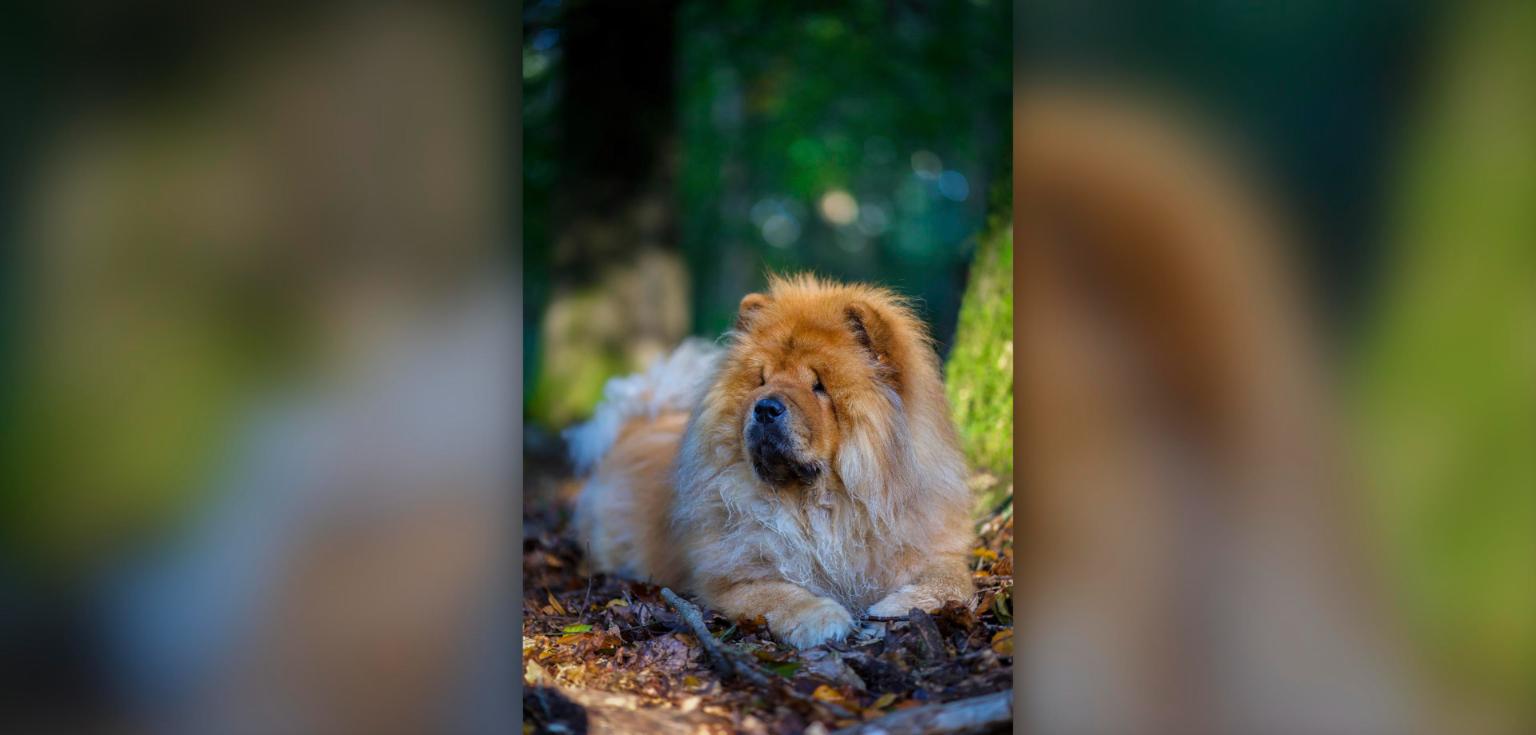
Calm and watchful
Life with a Chow is generally calm. They're not usually bouncing off the walls, and they're not usually needy.
What they are is observant. Your Chow will notice when you're stressed. They'll notice when dinner is late. They'll definitely notice the postman. And they'll quietly judge all of it.
Independent, not disobedient
Most breed histories describe Chows as all-purpose working dogs in China, used for jobs like guarding, hunting and pulling, though early records are patchy. Many still have an independent streak, and they often make their own decisions rather than waiting for instructions.
That gets mistaken for stubbornness. Usually, it isn't. A Chow often takes a moment to process what you've asked, and they respond badly to pressure and confusion. Repeat a cue louder and louder and a Chow simply opts out.
Ask once, give them a second to think, and make it worth their while. You'll see a very different dog.
Loyal in a quiet way
Chows don't give their loyalty to everyone. It's earned over time, through consistency and fair handling.
Once they've chosen you, that bond runs deep. But it's quiet. They might not fetch your slippers or wag themselves silly when you get home. They'll just be there, nearby, keeping an eye on things.
Lots of Chows prefer to lie near you rather than on you. That isn't rejection. It's loyalty with personal space.
Protective and reserved
Guarding is usually described as one of the Chow's traditional jobs, and the UK standard still describes them as a 'good guard'. Many are wary of strangers and keen to keep an eye on their home and family.
That's normal. It's also why early socialisation matters so much. Not meeting everyone, but calm exposure, so your Chow learns the world isn't a threat. A well-socialised Chow can tell the difference between a normal visitor and something to worry about.
Selectively social
A lot of Chows aren't fussed about meeting other dogs. Some actively prefer not to. That's fine.
The goal isn't a Chow who wants to play with every dog in the park. It's a Chow who can see another dog, stay relaxed and carry on with their walk. Neutral is a great result.
What this means for training
- Force-free, always. Research has linked aversive training methods with more signs of stress in dogs. Pressure and punishment damage trust, and with a Chow trust is everything.
- Short sessions. Five focused minutes beats half an hour of repetition.
- Clear routines. Chows relax when life is predictable.
- Respect their signals. Turning the head away, slowing down, avoiding something they used to cope with. These are small signs, and they matter.
Is it the right temperament for you?
A Chow may suit you if you value calm over chaos, enjoy building trust, and respect a dog who likes their own space.
A Chow may not suit you if you want constant attention, instant obedience, or a dog who loves a busy, unpredictable house. That's not a criticism of you. It's about the right match.
Quick answers
What is the Chow Chow temperament like?
The UK breed standard sums it up as 'independent, loyal, yet aloof'. In practice most Chows are calm and watchful, deeply loyal to their family and often reserved with strangers. They show affection quietly.
Are Chow Chows aggressive?
Aggression isn't inevitable in any breed, and the AKC standard says displays of aggression or timidity are unacceptable. Chows are often wary of strangers and can be protective, so early socialisation and calm, force-free training matter. Behaviour comes from genetics, upbringing and environment.
Are Chow Chows affectionate?
Yes, in their own way. Many prefer to sit near you rather than on you. That is personal space, not rejection.
Now it's your turn
This week, watch how your Chow chooses to spend time near you. Where do they lie? How close? What do they do when you come home? You'll start to see how they show affection, even if it's quieter than you expected.
Want a tip like this every week? Join my free Sunday newsletter and get the Chow Chow Basics guide too.