
Making Vet Visits Easier for Your Chow: Cooperative Care
For lots of dogs, the vet is one of the most stressful places they go. New smells, other worried animals, slippery floors and being handled by strangers.
The good news is there's a lot you can do to help.
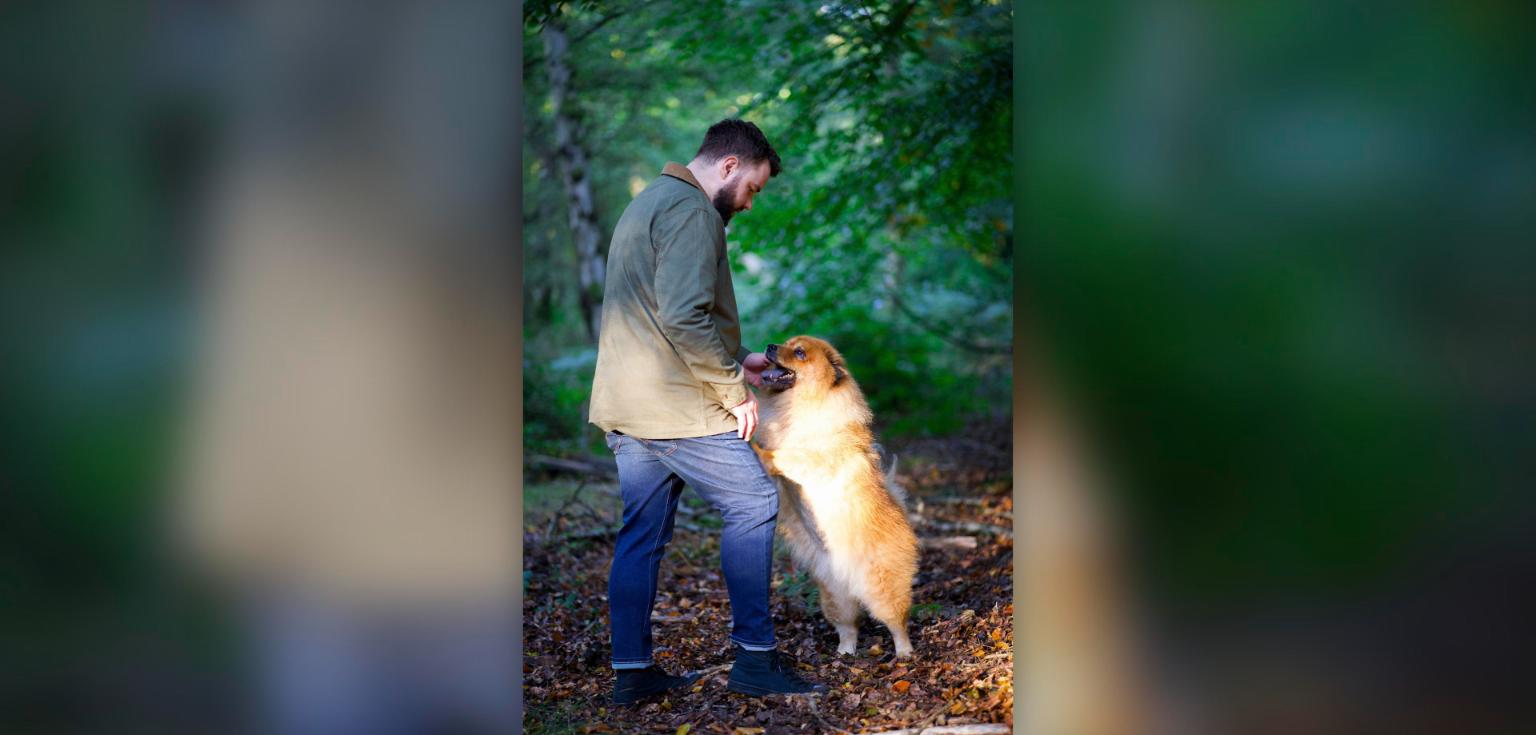
Start at home
Handling practice at home makes a big difference.
- Touch paws, ears and mouth briefly, then reward.
- Lift a lip and look at the teeth. Reward.
- Gently feel along the legs and tummy. Reward.
- Practise on a non-slip mat on a low table.
Keep it short. Stop before your Chow gets uncomfortable.
Teach a chin rest
A chin rest is a 'start button'. Your Chow rests their chin in your hand or on a cushion. While their chin is down, handling carries on. If they lift it, you stop.
It gives your Chow a way to say 'I need a break'. Many dogs become much more relaxed when they have that choice.
Muzzle training
Every dog can benefit from being comfortable in a muzzle. It isn't a sign of a 'bad dog'. It's a safety tool, and many vets are very grateful for it.
Introduce it slowly over days or weeks.
- Show the muzzle. Treat.
- Treat from inside the muzzle.
- Your Chow puts their nose in by themselves. Treat.
- Build up to fastening it for a few seconds.
- Build up the time gradually.
Choose a basket muzzle that lets your Chow pant, drink and take treats. That's especially important for Chows, as they can overheat quickly.
Happy visits
Ask your vet practice if you can pop in for 'happy visits'. Walk in, get a treat from reception, maybe stand on the scales, and leave. Nothing scary happens.
On the day
- Ask for the first or last appointment, when it's often quieter.
- Wait in the car until you're called in, if your practice allows it.
- Bring their mat and their favourite treats.
- Tell the team what your Chow finds hard. A good team will want to know.
- Ask about pre-visit medication if your Chow is very anxious. Some vets prescribe medication to reduce anxiety before visits.
Look for a low-stress practice
Some vets and vet nurses have extra training in low-stress handling, such as Fear Free certification, which started in the US and is now available internationally. Wherever you are, ask your practice what they do to help nervous dogs.
Quick answers
How can I make vet visits less stressful for my Chow?
Practise handling at home, do happy visits to the practice where nothing happens, ask for a quiet waiting area or to wait in the car, and bring high-value treats.
Should I muzzle train my Chow?
It's a good idea for any dog. A muzzle that's been introduced slowly and positively keeps everyone safe and can make vet care much less stressful if it's ever needed.
What is cooperative care?
Training that lets a dog take part willingly in handling and care, often using a 'start button' behaviour like a chin rest, so they can say when they're ready and when they need a break.
Now it's your turn
Tonight, start a chin rest. Hold your hand flat, and reward your Chow for any touch of their chin. Do five repetitions. Then stop.
If your Chow finds vet visits very hard, book a 1:1 consultation and we'll build a plan together.
Want a tip like this every week? Join my free Sunday newsletter and get the Chow Chow Basics guide too.