
Decompression Walks: Why Your Chow Needs Time to Just Be a Dog
Most of our walks are on pavements. Short lead. Cars, bikes, other dogs, people. Lots of 'heel', 'leave it', 'this way'.
For a lot of Chows, that's hard work.
A decompression walk is the opposite.
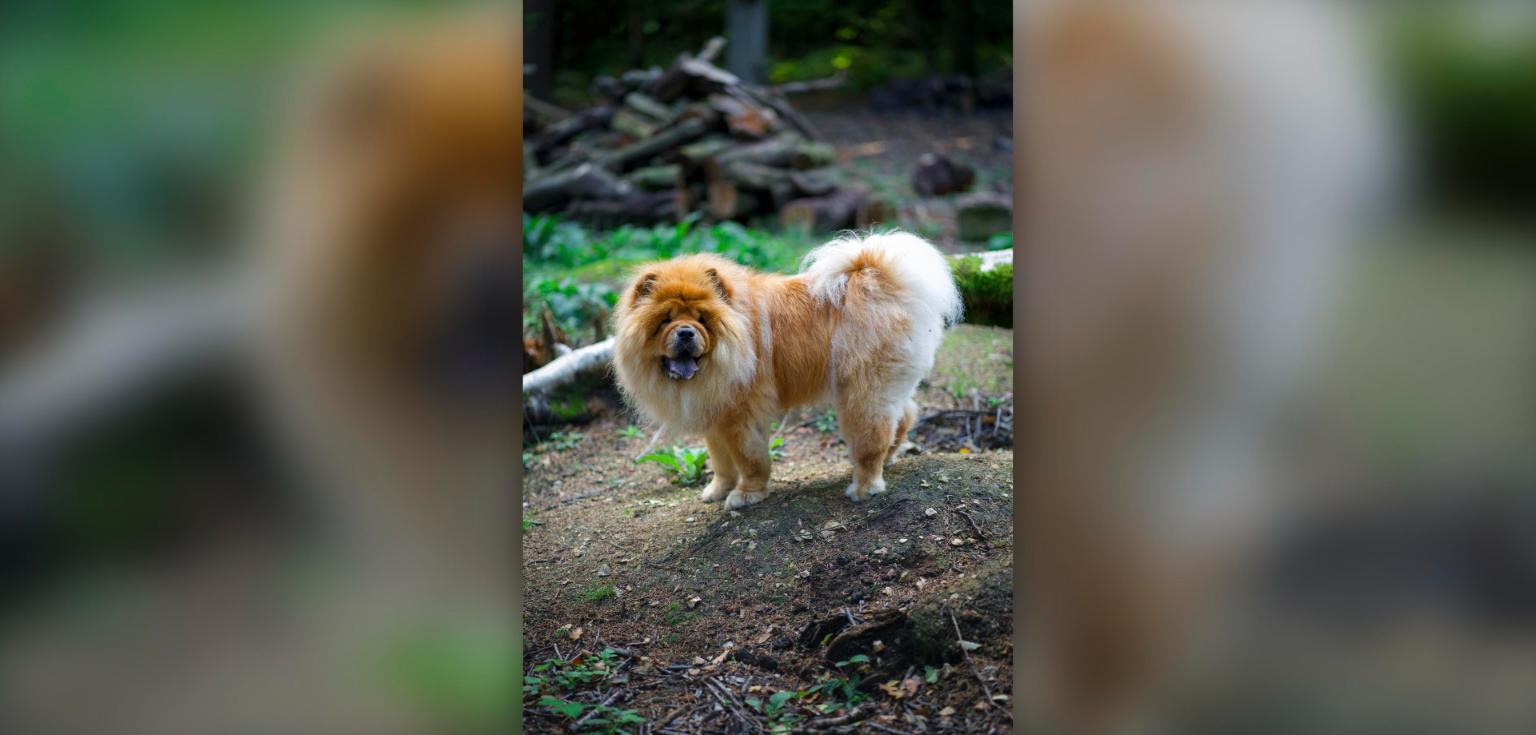
What a decompression walk is
The term was popularised by trainer Sarah Stremming. It describes a walk that's:
- In a quiet, natural space. Woods, fields, quiet countryside.
- On a long line, attached to a harness, or off lead only where it's safe and legal.
- Slow. Your Chow sets the pace.
- Full of sniffing. As much as they like.
- Low on cues. No training. No pressure.
Why sniffing matters
Sniffing is how dogs take in the world. And it seems to do them good.
In a small 2019 study by Charlotte Duranton and Alexandra Horowitz, dogs who did regular nose work showed more optimistic responses in a test afterwards than dogs who did heelwork. It was a small study, so more research is needed. But it fits with what many trainers and owners see.
Why it can help Chows in particular
In my experience, many Chows find busy places quite tiring. They're often watchful and can be wary of strangers and other dogs.
A walk where nothing much happens, and they can simply sniff, can help a Chow come back down after a stressful week.
How to do one
- Pick the right spot. Quiet woods or fields, at a quiet time.
- Use a long line. 5 to 10 metres, clipped to a well-fitted harness, never a collar.
- Let them lead. Follow your Chow. Stop when they stop.
- Say very little. No cues unless you need them for safety.
- Go slowly. It's not about distance. It's about time to explore.
What if my Chow is reactive?
Choose places and times where you're unlikely to meet triggers. An empty field at 7am, a quiet bit of woodland mid-week. Some people hire secure dog fields, which are popular in the UK and becoming more common elsewhere.
Long line safety
- Wear gloves, as a long line can burn your hands.
- Never wrap the line around your hand or fingers.
- Keep the line off the ground in tangly areas.
- Watch out for other people and dogs getting caught up.
It's still exercise
In my experience, a slow, sniffy hour often tires a Chow out more than a brisk 20-minute walk, because they're using their brain the whole time. In warm weather, keep it short and stick to shade.
Quick answers
What is a decompression walk?
A slow, relaxed walk in a quiet natural place, usually on a long line, where your dog sets the pace and has lots of freedom to sniff and explore.
Why are decompression walks good for dogs?
They give dogs a break from busy, stressful environments. A small study found that dogs given regular nose work showed more optimistic responses in a test afterwards.
How often should my Chow have a decompression walk?
There is no set rule. Many owners find once or twice a week helps, especially for worried, reactive or busy-brained dogs.
Now it's your turn
This weekend, find a quiet green space and give your Chow 30 minutes on a long line. Let them choose where to go. Notice how they are for the rest of the day.
If everyday walks feel stressful for your Chow, book a 1:1 consultation and we'll work out what would help.
Want a tip like this every week? Join my free Sunday newsletter and get the Chow Chow Basics guide too.