
Which Dog Breeds Have Blue Tongues? It's Not Just Chow Chows
Say 'blue tongue' and most people picture a Chow.
Fair enough. It's the breed's most famous party trick. But Chows aren't the only dogs walking around with a tongue that looks like they've been eating blueberries.
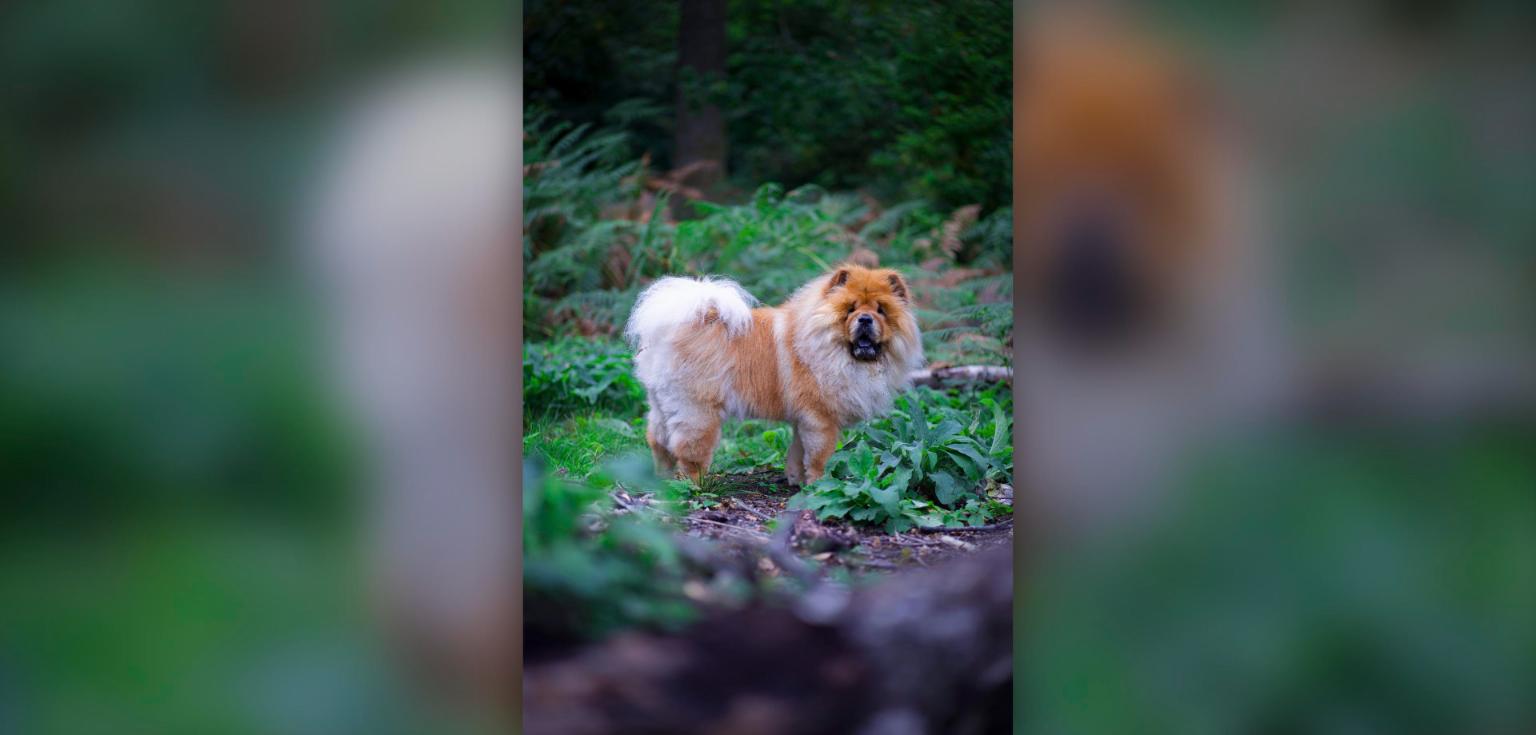
The fully blue-black tongues
The Chow Chow. The one everyone knows. The breed standard asks for a blue-black tongue, with dark gums and a dark roof to the mouth. Puppies are born pink and darken over the first few weeks.
The Chinese Shar-Pei. The Chow's wrinkly cousin from China. Shar-Peis also have a blue-black tongue as a breed trait. If you've ever seen the two side by side, the family resemblance in the face is clear too.
Some other breeds have dark tongue markings written into their standards too. The FCI standard for the Thai Ridgeback, for example, says black marking on the tongue is preferable.
Spotted tongues
Lots of breeds can have blue or black patches on an otherwise pink tongue. You'll see it in:
- German Shepherds
- Labrador Retrievers
- Dalmatians
- Plenty of crossbreeds
It's just extra pigment in that part of the tongue. Harmless. And no, it doesn't mean your dog has Chow in them.
Why it happens
Tongue colour comes down to pigment, the same kind that colours skin and coat. How much there is, and where, is decided by genetics. In Chows and Shar-Peis it covers the whole tongue. In other dogs it might appear as a few spots, or not at all.
When a blue tongue is a problem
Here's why this matters. In a Chow, a blue tongue is normal. In a dog whose tongue is normally pink, a tongue turning blue or purple can mean the dog isn't getting enough oxygen.
That's an emergency.
So it's worth knowing your own dog's normal. Whatever breed you have, look at their tongue and gums when they're relaxed and healthy. Then you'll spot a change.
With a Chow, the signs to watch are a bit different, because you can't rely on 'going blue'. Look for:
- Gums that are pale or white
- A tongue that's suddenly bright red, especially with heavy panting
- Breathing that's noisy, laboured or fast at rest
- Wobbling, confusion or collapse
If you see any of those, call your vet.
So is a Chow related to a Shar-Pei?
They're both from China, and genetic studies place the Chow amongst the oldest dog lineages, alongside other East Asian breeds like the Shar-Pei and Akita. That's about shared ancestry, not proof that today's breeds looked the same long ago, as most modern breeds were only formalised in the last 150 years or so. One 2017 study found the Chow is still slightly genetically distinct from its East Asian cousins.
They share some traits, like the dark tongue, and both are often described as reserved and independent. Both need early socialisation, calm training and an owner who respects their space.
They're very different to live with in other ways though. The Shar-Pei's short, bristly coat and wrinkles bring their own care needs, while a Chow's double coat is a grooming commitment for life.
A note on health. This post is general information, not a diagnosis or a replacement for your vet. If you're worried about your dog, or things aren't improving or are getting worse, we recommend you speak to your vet.
Quick answers
Which dogs have blue tongues?
The Chow Chow and the Chinese Shar-Pei are the two breeds best known for fully blue-black tongues.
Does a dog with blue spots on its tongue have Chow in it?
Not necessarily. Lots of breeds can have blue or black spots on their tongues, including Labradors, German Shepherds and many crossbreeds.
Is a blue tongue ever a sign of illness?
In a dog whose tongue is normally pink, a blue or purple tongue can mean a lack of oxygen. That needs a vet straight away.
Now it's your turn
Next time someone on a walk asks about your Chow's tongue, you've got the full answer. And if you've got a dog with a spotted tongue at home too, take a photo of it. It's a lovely reminder of how varied dogs are.
Want a tip like this every week? Join my free Sunday newsletter and get the Chow Chow Basics guide too.