
Why Your Chow 'Knows It at Home' but Not in the Park
'He knows it at home. He's just being stubborn.'
I hear this all the time. And in my experience, the Chow usually isn't being stubborn at all.
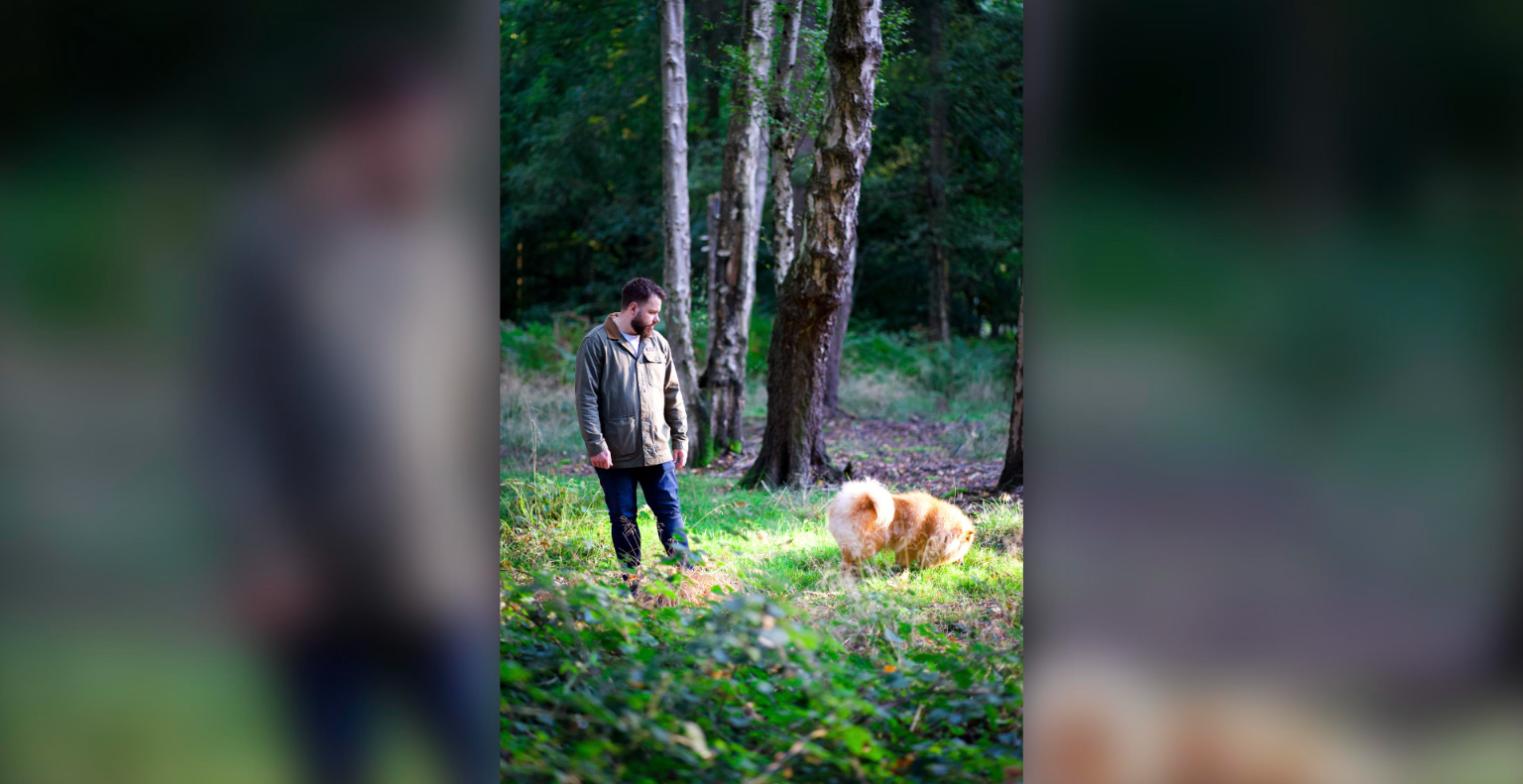
What's going on
When dogs learn something, they often learn the whole picture. Not just your word and hand signal, but where you're standing, the room you're in, what you're wearing, and what's going on around them.
So 'sit' in the kitchen, with you facing them, at teatime, is one picture. 'Sit' in the park, with you to one side, while a squirrel runs past, is a completely different one.
For many dogs, that new picture can feel like a new cue.
Generalisation
Generalisation is the process of teaching your Chow that a cue means the same thing everywhere.
It doesn't happen by magic. You have to practise it.
How to build it
1. Change one thing at a time.
- Practise in a different room.
- Then with you sitting down.
- Then with someone else asking.
- Then in the garden.
- Then on a quiet street.
2. Make it easier when the place is harder.
In the kitchen, you might ask for a ten-second stay. In a new park, start with one second.
3. Add distractions slowly.
A toy on the floor. A person walking past at a distance. Then a bit closer.
4. Use better rewards in harder places.
Your Chow's favourite treats should come out in the most difficult places.
The three Ds
Many trainers talk about the three Ds.
- Distance. How far you are from your Chow.
- Duration. How long they hold the behaviour.
- Distraction. What's going on around them.
Only increase one at a time. If you add distraction, lower the distance and duration.
What to do when it falls apart
It's information, not failure.
- Make it easier.
- Get a few successes.
- Build back up more slowly.
Chows and new places
In my experience, many Chows are very aware of their surroundings, and take a little time to settle somewhere new. Give them time to look around and sniff before you ask for anything.
Quick answers
What is generalisation in dog training?
Your dog learning that a cue means the same thing in different places, with different people and with different distractions. Many dogs need to practise in lots of situations before a cue is truly reliable.
Why does my dog only listen at home?
Dogs often learn the whole picture, including the place, the person and what's going on around them. Change the picture, and the cue can seem new to them.
How do I get my dog to listen everywhere?
Practise in lots of new places, starting easy. Make the cue easier when the place is harder, and build up distractions slowly.
Now it's your turn
Pick your Chow's best cue. This week, practise it in five new places. A different room, the garden, the front step, the car park, a quiet street. Start easy every time.
If your Chow's training falls apart in the real world, book a 1:1 consultation and we'll work out a plan.
Want a tip like this every week? Join my free Sunday newsletter and get the Chow Chow Basics guide too.