
The Emergency Stop: The One Cue That Could Save Your Chow's Life
You're in the park. Your Chow is trotting happily away from you on a long line. Then you spot it.
A broken bottle in the grass, right in their path. Or a gate open to the road. Or a deer.
Recall might work. But recall means coming all the way back to you, and that's not always what you need. Sometimes you just need your Chow to stop. Right there. Right now.
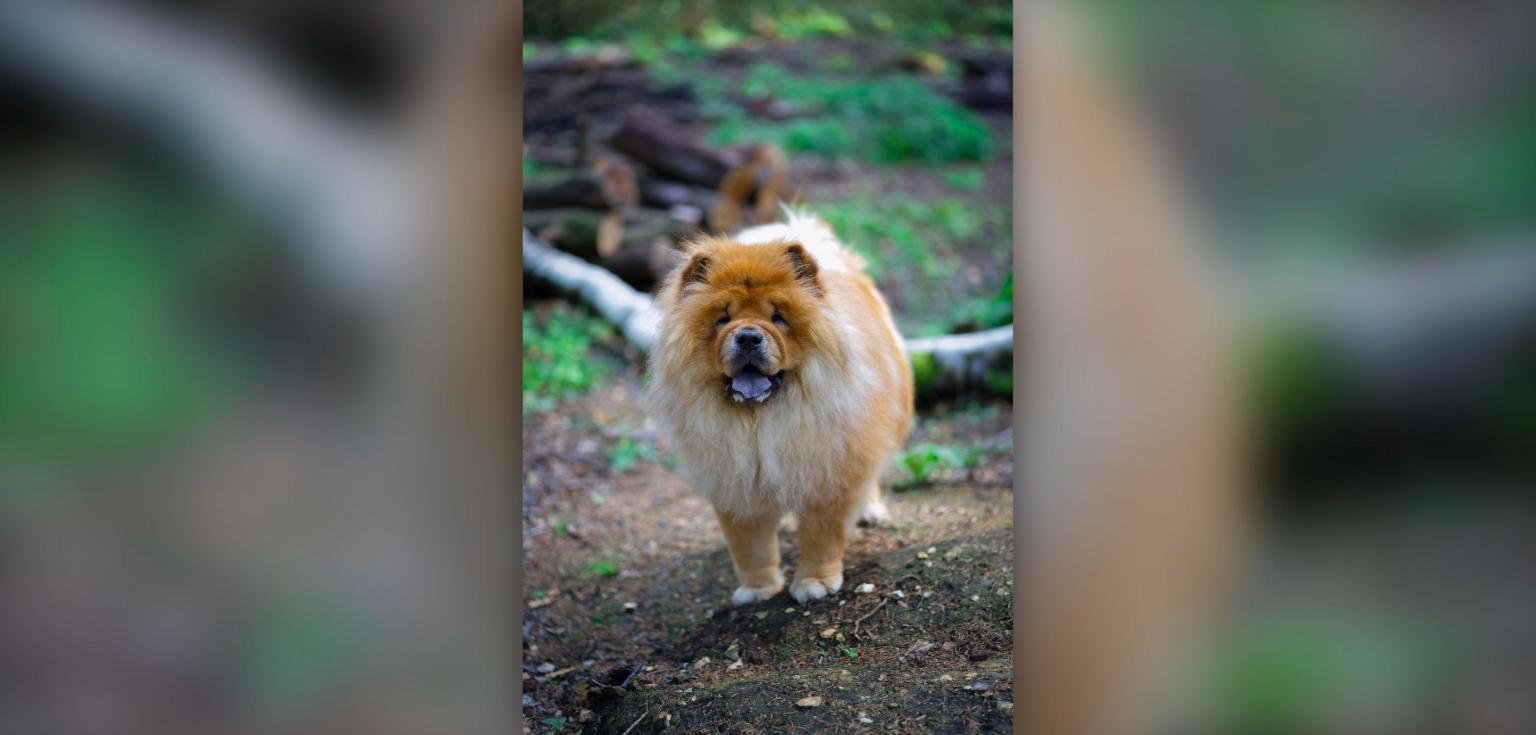
What an emergency stop is
Your Chow stops on the spot while they're moving, when you give a verbal cue, a hand signal, or both.
It gives you distance control. It can stop your Chow running towards traffic. It lets you halt them and redirect them away from something nasty on the ground. And it can stop a chase before it starts.
Before you start: check-ins
This exercise works best if your Chow already checks in with you, glancing back at you without being asked. If they don't yet, start there first. It's a short exercise and it makes everything else easier.
The trick that makes it work
The clever bit of this method is where the treat lands.
When you say 'stop', the treat lands behind your Chow. So they learn that the fastest way to the reward is to stop moving forwards. You're not forcing them to stop. You're making stopping the obvious, winning choice.
How to teach it
- Let your Chow know you've got something tasty. Something soft and smelly, easy to see when it lands.
- Face your Chow. When they look at you, say 'stop' and raise your hand at the same time.
- Throw the treat just behind them. Overarm, like you're throwing a dart.
- Repeat. At this stage you're not expecting any particular behaviour. You're just teaching that 'stop' plus the raised hand means a treat lands behind them.
- Watch for the pause. After a number of reps, your Chow will start to pause the moment they hear the cue, waiting for the treat to arrive.
- Add one second. Once they're pausing, wait one second before you throw. Now they're holding the stop for a moment.
Building it up
Go slowly. Each of these is its own step:
- More distance between you and your Chow
- A longer hold before the treat arrives
- Stopping while they're walking, then trotting
- More than one stop during a single recall
If it falls apart, make it easier. Get closer, shorten the hold or go somewhere quieter. Practise on a long line outdoors, never with your Chow loose near a road.
Why it suits Chows
Chows like to know what's in it for them. This method answers that question every time, without nagging or chasing. And because you're not shouting 'stop' in a panic for the first time when something's gone wrong, you've built a cue your Chow already trusts.
Quick answers
What is an emergency stop in dog training?
A cue that makes your dog stop on the spot while moving. It can keep them away from roads, broken glass or a chase.
How do you teach an emergency stop?
Say 'stop' and raise your hand, then throw a treat behind your dog. They learn that stopping is the fastest way to the reward. Then build in a short hold.
Where should I practise the stop?
Start indoors or in the garden, then on a long line outdoors. Never practise with your Chow loose near a road.
Now it's your turn
Tonight, in your hallway or garden, do ten reps of steps two and three. Look, 'stop', hand up, treat behind. That's all. Do another ten tomorrow and watch for the first little pause.
Recall and long line work are covered in Chow Chow Foundations, with stages for every level.
Find out more about Chow Chow Foundations
Want a tip like this every week? Join my free Sunday newsletter and get the Chow Chow Basics guide too.