
The Engage-Disengage Game: A Calmer Chow Around Triggers
Your Chow sees another dog across the field. They stiffen. They stare. And then, often, they explode.
The engage-disengage game is one of my favourite ways to change that.
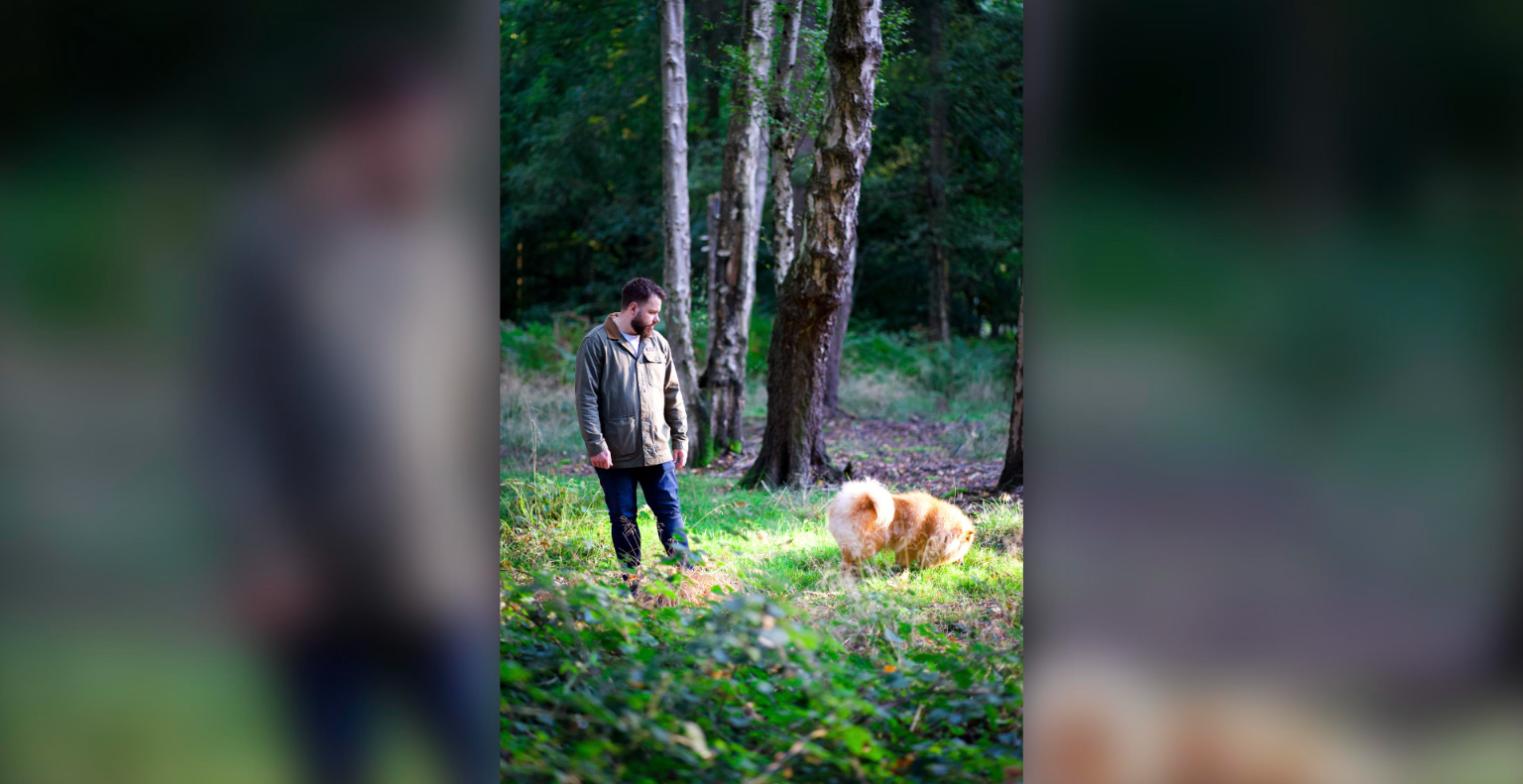
What the game teaches
There are two parts.
Engage. Your Chow looks at the trigger, calmly. You mark and reward.
Disengage. Your Chow looks at the trigger, then chooses to look away by themselves. You mark and reward.
Over time, the trigger starts to predict good things. And looking away becomes your Chow's own choice, rather than something you force.
Before you start
You need:
- Distance. This is everything. Start far enough away that your Chow can see the trigger and still eat.
- Tasty treats. Small, soft and worth working for.
- A marker word. 'Good', or whatever you use.
- A harness and lead. A long line gives more freedom in open spaces.
Stage 1: engage
- Stand at a comfortable distance from the trigger.
- The moment your Chow looks at it, mark.
- Give a treat.
- Repeat each time they look.
Your Chow doesn't have to look at you. Just looking at the trigger calmly earns the reward.
Stage 2: disengage
Once your Chow is relaxed in Stage 1, wait a second or two after they look.
- Your Chow looks at the trigger.
- Wait.
- When they look away by themselves, mark.
- Reward.
If they don't look away within a few seconds, you're probably too close. Go back to Stage 1, or add distance.
Moving closer
Only move closer when your Chow is relaxed and quickly disengaging at the current distance. Take small steps. Then stay there for a few sessions.
Many owners rush this part. Patience pays off.
Signs you're too close
- Staring that doesn't break
- Stiff body, closed mouth
- Hackles up
- Refusing food
- Barking, lunging or whining
If you see any of these, calmly move further away. That isn't failure. It's information.
Keep sessions short
Five minutes is plenty. Finish while your Chow is still doing well. Then go and do something relaxing, like a sniffy walk.
And remember trigger stacking. A Chow who has already had a stressful morning will cope less well with the same trigger in the afternoon.
When to get help
If your Chow's reactions are intense, or getting worse, or you're worried about a bite, work with a qualified force-free behaviour professional. Ask your vet to check for pain too, as discomfort can make any dog more reactive.
Quick answers
What is the engage-disengage game?
A training game where you reward your dog for calmly noticing a trigger, then later for choosing to look away from it and back to you. It builds calm, confident responses to things that worry them.
How far away should I be from the trigger?
Far enough that your Chow can notice it and still take food and respond to you. If they're barking, lunging or refusing treats, you're too close.
How long does the engage-disengage game take to work?
It varies a lot between dogs. Short, regular sessions at the right distance usually make more progress than long sessions that push your Chow too close.
Now it's your turn
Find a spot where you can see other dogs from a long way off, like the edge of a big field. Do a five-minute Stage 1 session. Mark and reward every calm look. Then leave on a good note.
If your Chow's reactivity feels too big to tackle alone, book a 1:1 consultation and we'll build a plan together.
Want a tip like this every week? Join my free Sunday newsletter and get the Chow Chow Basics guide too.