
Is a Chow Chow Right for You? An Honest Guide Before You Commit
Chows are often chosen for how they look.
They should be chosen for how they live.
In my view they're not a 'hard' breed. But they are a very specific one. The PDSA describes them as best suited to experienced owners who know the breed, which is exactly why doing your homework first matters. When they're misunderstood, life gets difficult for the dog and the owner. When they're understood, they're calm, loyal and a pleasure to live with.
This guide isn't here to sell you a dream. It's here to help you decide.
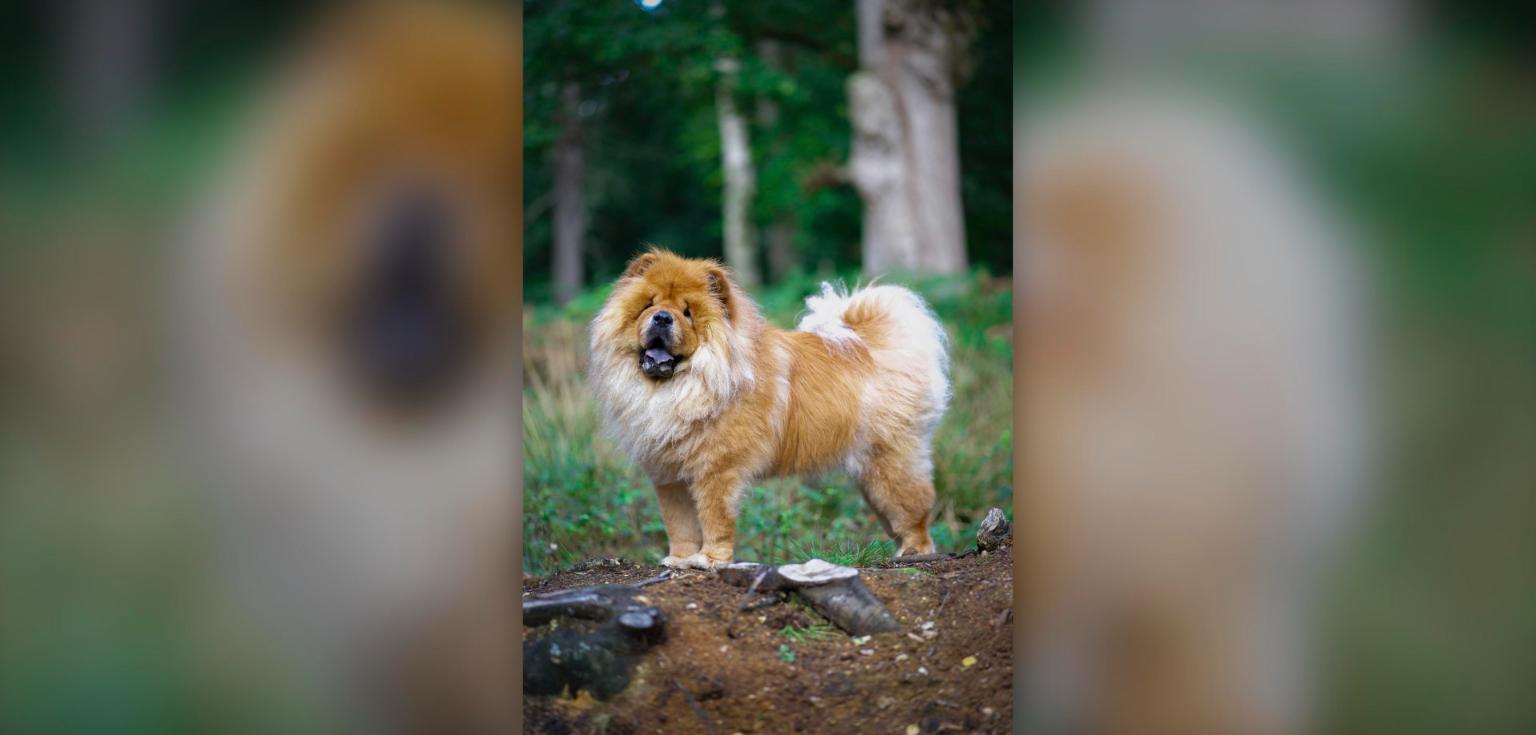
What daily life is actually like
Mostly calm. Chows like routine. They like knowing what's happening and when.
They're not usually needy, but they watch everything. They'll know your schedule better than you do.
They're affectionate, but quietly. Often that means sitting near you rather than on you.
Training a Chow
Training works when it's clear, fair and consistent. Lots of repetition for the sake of it doesn't work well. Pressure doesn't work at all.
In my experience, push a Chow and they'll push back, or simply opt out. Always use force-free, positive methods. Force damages the relationship and can make a Chow defensive.
If you enjoy building trust and working as a team, training a Chow is very rewarding. If you want instant obedience to impress people at the park, you'll probably end up frustrated.
Socialisation looks different
Lots of people think socialisation means meeting everyone and everything. For Chows, that often creates stress rather than confidence.
Chows do best when they're allowed to watch without pressure. They don't need to greet every dog or person. A Chow who can walk past distractions calmly is a well-socialised dog, even if they don't want a cuddle from strangers.
The grooming commitment
That coat doesn't look after itself. The PDSA recommends brushing every day. At the very least, a rough-coated Chow needs thorough line brushing down to the skin several times a week, and daily during a moult. Smooth-coated Chows are easier, but still shed. Get them used to handling from day one.
Health to know about
Chows have some significant breed health risks. They're prone to eyelid problems like entropion, hip and elbow dysplasia, and they're a high-risk breed for heatstroke. The PDSA gives their average lifespan as under 10 years. That's why health-tested parents matter so much.
Stress signals you'll need to learn
In my experience, Chows are subtle. They rarely make a scene. Turning the head away. Slowing down. Avoiding something they used to cope with.
These aren't quirks. They're information. Learning to notice them early is one of the most important skills a Chow owner can have.
A Chow might suit you if
- You value calm over chaos
- You're patient
- You respect independence
- You're happy to earn trust rather than demand it
- You don't mind brushing. A lot.
A Chow might not suit you if
- You want a dog that loves everyone
- You want constant attention or instant obedience
- Your home is very busy and unpredictable
- You want a dog to take to busy cafes and crowded events every weekend
- You have very young children
Neither list makes you a good or bad person. Choosing the right breed is part of responsible ownership.
If you decide yes
Find a breeder who health tests and cares about temperament, or talk to a breed rescue. Then start learning before your Chow comes home. Understanding them from day one makes all the difference.
Quick answers
Are Chow Chows good for first-time owners?
The PDSA says the breed best suits experienced owners who know Chows well. A first-time owner can do well if they research the breed thoroughly, are patient and consistent, and use calm, force-free training, ideally with support from an accredited trainer.
Do Chow Chows need a lot of exercise?
Not huge amounts, but more than people expect. The PDSA recommends at least an hour a day, split into a couple of walks, plus mental stimulation. Most Chows prefer steady, sniffy walks to long runs.
Are Chow Chows good with children?
The PDSA doesn't recommend Chows for homes with small children. They can live happily with older, respectful children, with supervision, house rules and a safe space for the dog, because Chows do not enjoy rough handling.
Now it's your turn
Read both lists again and be honest about which one sounds more like your life. If this post made you think carefully rather than feel excited, it's done its job.
If you'd like a clear plan for the first few months, Chow Chow Foundations was built for exactly that.
Find out more about Chow Chow Foundations
Want a tip like this every week? Join my free Sunday newsletter and get the Chow Chow Basics guide too.