
Mental vs Physical Exercise: What Your Chow Chow Really Needs
When a Chow is restless, barky or destructive, the first advice people usually hear is 'they need more exercise'.
Sometimes that's true. Often, it isn't the whole story.
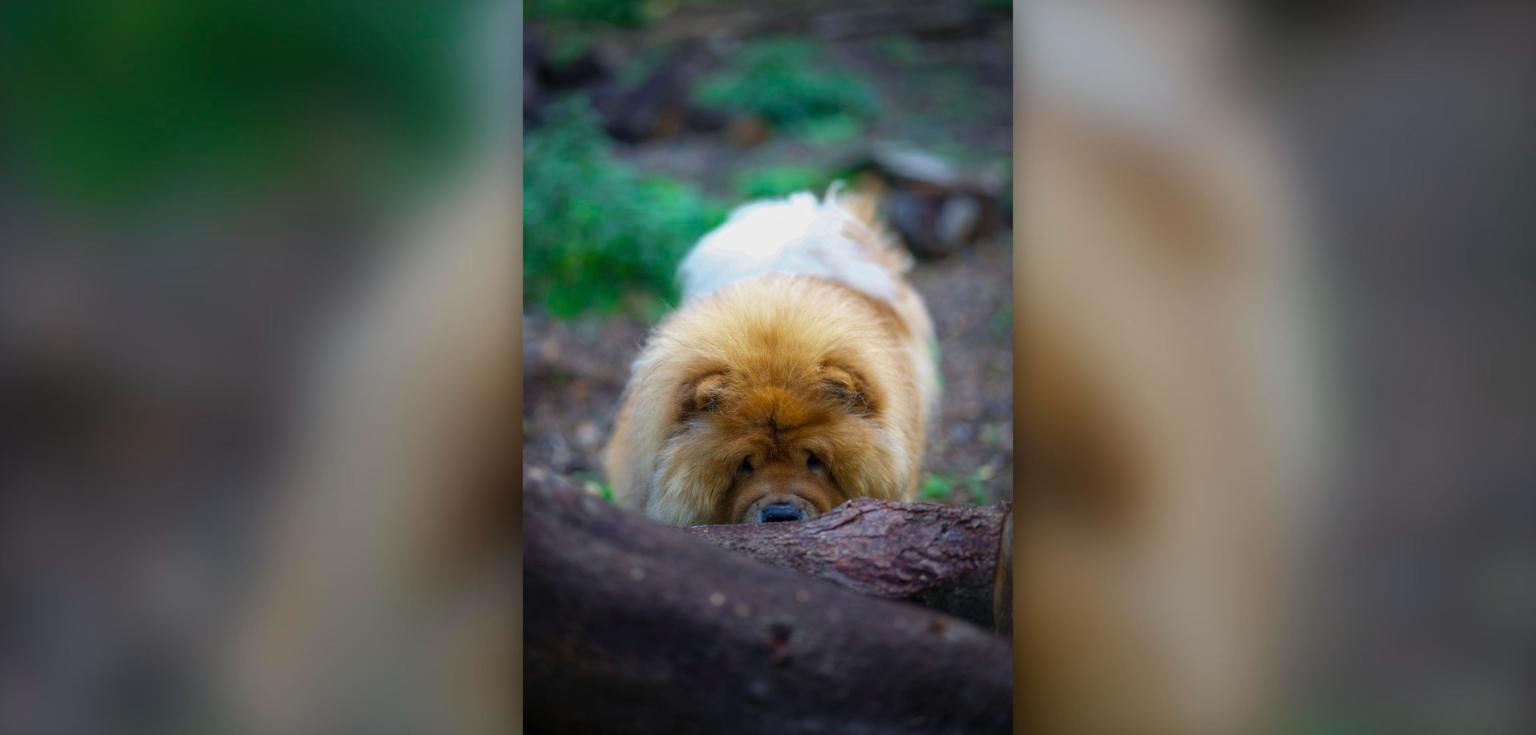
Two kinds of exercise
Physical exercise. Walking, trotting, playing. It keeps your Chow's body fit and strong.
Mental exercise. Sniffing, searching, problem solving, learning. It keeps your Chow's brain busy.
Both matter. But many dogs get plenty of one and very little of the other.
The trouble with only physical exercise
Many trainers point out that if you only add more walking, you can end up with a fitter dog who needs even more walking.
And for a Chow, there's an extra concern. Heat.
Chows and heat
In a 2020 study of UK veterinary records led by the Royal Veterinary College, the Chow Chow had the highest odds of heat-related illness of any breed studied, around 16 times higher than Labradors.
That's a big deal. It means:
- Walk early or late in warm weather.
- Skip the walk on very hot days and do brain games indoors instead.
- Watch for heavy panting, slowing down or stumbling. Get to shade, cool them with water and call your vet straight away if you're worried.
Exercise was the most common trigger for heat-related illness in that research, so don't rely on 'it's not that hot'.
What mental exercise looks like
- Sniffing. A slow, sniffy walk on a long line.
- Scatter feeding. Throw part of a meal on the grass.
- Snuffle mats and puzzle feeders.
- Find it games. Hide treats round the house.
- Short training sessions. Five minutes of tricks.
- Chews. Chewing can be very settling for many dogs.
Getting the balance right
A good day for many adult Chows might look like:
- A walk in the morning, with plenty of time to sniff
- Part of breakfast in a puzzle feeder
- A five-minute training session
- A quieter walk or garden time in the afternoon
- A chew in the evening
Puppies, older Chows and Chows with health conditions will need something different. Your vet can help.
Don't forget rest
Adult dogs spend a large part of the day resting. A Chow who's constantly on the go isn't always a happy Chow. Calm time matters too.
A note on health. This post is general information, not a diagnosis or a replacement for your vet. If you're worried about your Chow, or things aren't improving or are getting worse, we recommend you speak to your vet.
Quick answers
How much exercise does a Chow Chow need?
Most adult Chows do well with moderate daily exercise, such as walks totalling around an hour, but needs vary with age, health, coat and fitness. Ask your vet if you're unsure.
Is mental stimulation as tiring as physical exercise?
It can be. Sniffing, searching and short training sessions use a lot of energy, and many owners find them very settling.
Are Chow Chows prone to heatstroke?
Yes. A 2020 study of UK vet records found the Chow Chow had the highest risk of heat-related illness of all the breeds studied, compared with Labradors.
Now it's your turn
Tomorrow, swap ten minutes of your usual walk for ten minutes of scatter feeding or a find it game. See how your Chow settles afterwards.
If your Chow seems restless whatever you do, book a 1:1 consultation and we'll look at the whole picture.
Want a tip like this every week? Join my free Sunday newsletter and get the Chow Chow Basics guide too.