
Caring for a Senior Chow Chow: Comfort, Health and Happiness
Older Chows are wonderful. Calmer, wiser, and often more affectionate than ever.
But as they age, what they need from us changes. Here's how to help your Chow stay comfortable and happy in later life.
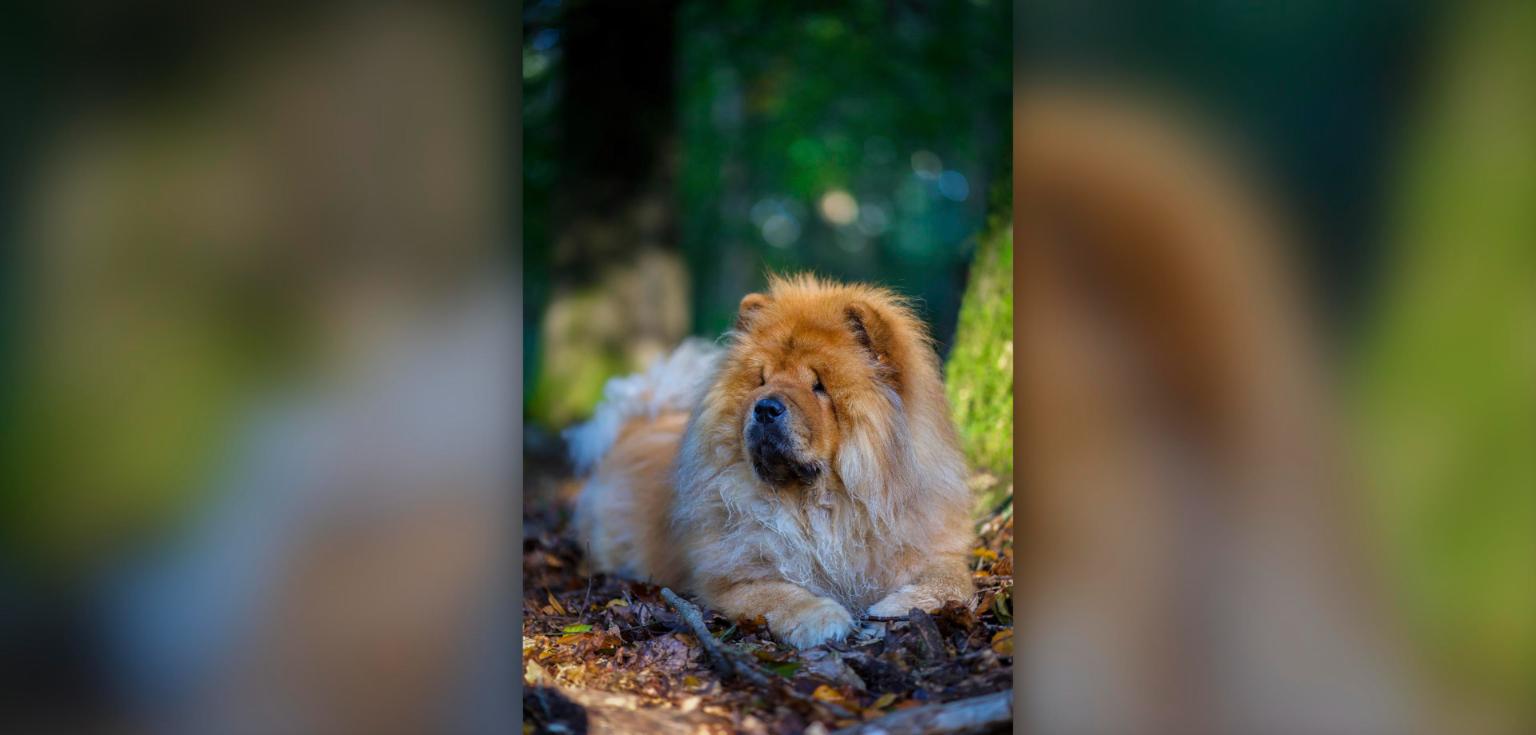
When does a Chow become a senior?
There's no exact age. Many vets start to think of medium and larger dogs as seniors from around seven or eight. But every Chow ages differently, so watch your dog rather than the calendar.
More regular vet checks
Many vets recommend a check-up at least every six months for older dogs. It gives your vet the chance to spot changes early. Arthritis, dental disease, lumps, weight changes and problems with thyroid, kidneys or eyes are all more common with age.
Watch for pain
Dogs are very good at hiding pain. Signs to look for include:
- Stiffness, especially after rest
- Not wanting to jump into the car or onto the sofa
- Slowing down or stopping on walks
- Restlessness at night
- Licking at joints
- Grumpiness when touched, or with other pets
- Changes in behaviour
Many of these are easy to put down to 'just getting old'. Often they're signs of pain your vet can help with.
Joint care
- Keep them lean. Extra weight puts extra strain on joints.
- Non-slip floors. Rugs or runners on slippery floors.
- Ramps or steps for the car or sofa.
- Shorter, more frequent walks.
- A supportive bed that's easy to get in and out of.
Grooming an older Chow
Older Chows can find long grooming sessions uncomfortable. Keep sessions shorter, let them lie down, and support them while you work. Keep an eye on their skin for lumps and sore spots.
Many older dogs need their nails trimmed more often, because they wear them down less.
Brain health
Some older dogs develop canine cognitive dysfunction, a condition with some similarities to dementia in people. Signs can include:
- Seeming confused or getting stuck in corners
- Changes in sleep, like being awake at night
- Forgetting toilet training
- Changes in how they interact with you
If you notice these, speak to your vet. Gentle enrichment, like sniffing games and short, easy training sessions, can help keep an older brain busy.
Heat and cold
Older Chows can find it harder to cope with temperature changes. Keep them cool in summer, and give them a warm, draught-free bed in winter.
Keep life interesting
Older Chows still love to sniff, explore and learn. Gentle scent games, slow sniffy walks and short training sessions keep life enjoyable.
A note on health. This post is general information, not a diagnosis or a replacement for your vet. If you're worried about your Chow, or things aren't improving or are getting worse, we recommend you speak to your vet.
Quick answers
When is a Chow Chow considered a senior?
There's no exact age, but many vets start to think of medium and larger dogs as seniors from around seven or eight years old. Every dog ages differently.
How often should a senior Chow see the vet?
Many vets recommend a check-up at least every six months for older dogs, so changes like arthritis, dental disease or weight loss can be picked up early.
What are the signs of pain in an older dog?
Stiffness, reluctance to use stairs or jump, slowing down on walks, restlessness at night, licking joints, grumpiness when touched, and changes in behaviour.
Now it's your turn
Watch your older Chow get up from their bed tomorrow morning. Are they stiff? Do they hesitate? Write down what you notice and share it with your vet at your next appointment.
If your older Chow's behaviour has changed, speak to your vet first, then book a 1:1 consultation if you'd like help with the behaviour side.
Want a tip like this every week? Join my free Sunday newsletter and get the Chow Chow Basics guide too.