
Socialising an Adult Chow Chow: It's Not Too Late
Maybe you've rescued an adult Chow. Maybe life got in the way during the puppy months. Or maybe your Chow just never quite found the world easy.
The good news is that it's not too late.
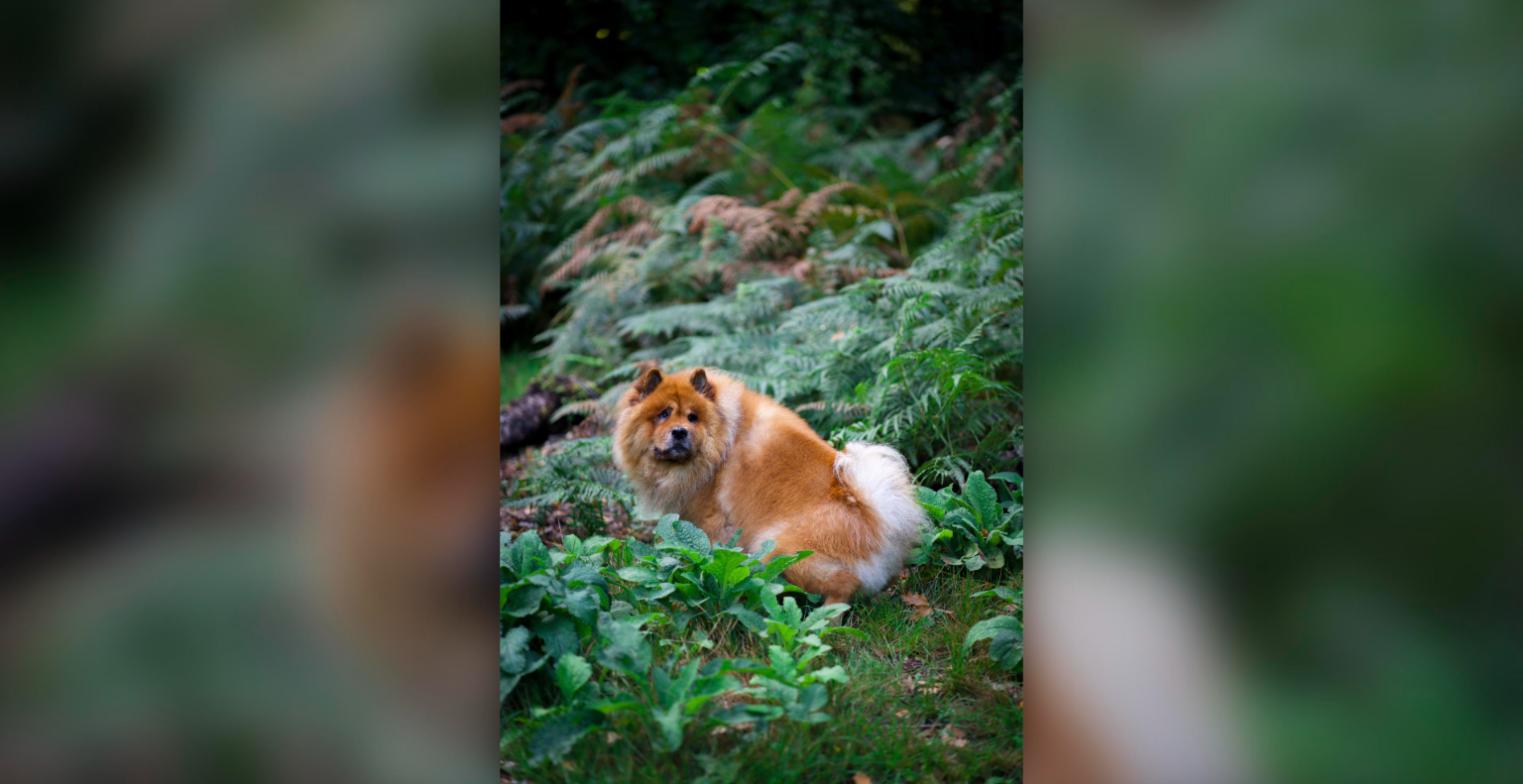
What changes as dogs get older
The puppy socialisation window, roughly 3 to 12 weeks, is when dogs learn most easily that the world is safe. After that, new things can feel more worrying.
So with an adult Chow, you're not starting from a blank page. You're helping them feel differently about things they may already find worrying. That takes longer. But it's absolutely possible.
What socialisation means for a Chow
It doesn't mean meeting everyone and everything. For Chows, that usually makes things worse.
It means calm exposure. Your Chow sees, hears and smells the world from a distance where they feel comfortable, and good things happen.
The goal is neutrality. A Chow who can see a dog, a bike or a stranger and carry on with their day.
Find the right distance
Every Chow has a distance where they can notice something and stay relaxed. Closer than that, they start to worry.
Signs you're too close:
- Freezing or stiffening
- Hard staring
- Lip licking, yawning, turning away
- Refusing treats
- Pulling away or towards the trigger
Work at a distance where your Chow can still take food and look away easily.
The basic method
- Your Chow notices something, like a dog in the distance.
- Mark with 'good' and give a treat straight away.
- The dog goes out of sight. The treats stop.
Over time, your Chow learns that seeing a dog predicts good things. Their emotional response starts to change.
Go slowly
- Short sessions. Ten minutes is plenty.
- Quiet places and times. Early mornings, big open spaces, the edge of a car park.
- Rest days after harder sessions.
- Stop while it's going well.
Watch the stress bucket
Adult Chows who've struggled for a while may be carrying a lot of stress. Good sleep, quiet days and calm enrichment at home all help them cope better outside.
Rescue Chows
If you've rescued a Chow, give them time to settle first. Many need weeks to decompress before you start asking anything of them. Don't rush.
When to get help
If your Chow is reactive, frightened or has bitten, work with a qualified force-free behaviourist. They can help you find the right starting point and keep everyone safe.
Quick answers
Can you socialise an adult Chow Chow?
Yes. You cannot redo puppyhood, but you can help an adult Chow feel more comfortable through calm, positive exposure at a distance they can cope with.
Should my adult Chow meet lots of dogs?
No. The aim is neutrality, being able to see dogs and people calmly, not lots of greetings.
How long does it take?
It varies with every dog. Progress is often slow and steady, measured in weeks and months rather than days.
Now it's your turn
Find one quiet spot this week where you can see the world from a distance. A bench at the edge of a park, early morning. Take your best treats. Sit with your Chow for five minutes, and treat every time they calmly notice something.
Want a tip like this every week? Join my free Sunday newsletter and get the Chow Chow Basics guide too.