Training Mode and Leisure Mode: Why Walks Shouldn't Be a Test
Your Chow has no idea which walk they're getting today.
Is it the one where you stop dead every time the lead goes tight? Or the one where you're late for work and you just let them drag you to the park?
From your Chow's side, that's two completely different sets of rules. And when the rules keep changing, they default to whatever worked most often. Usually that's pulling.
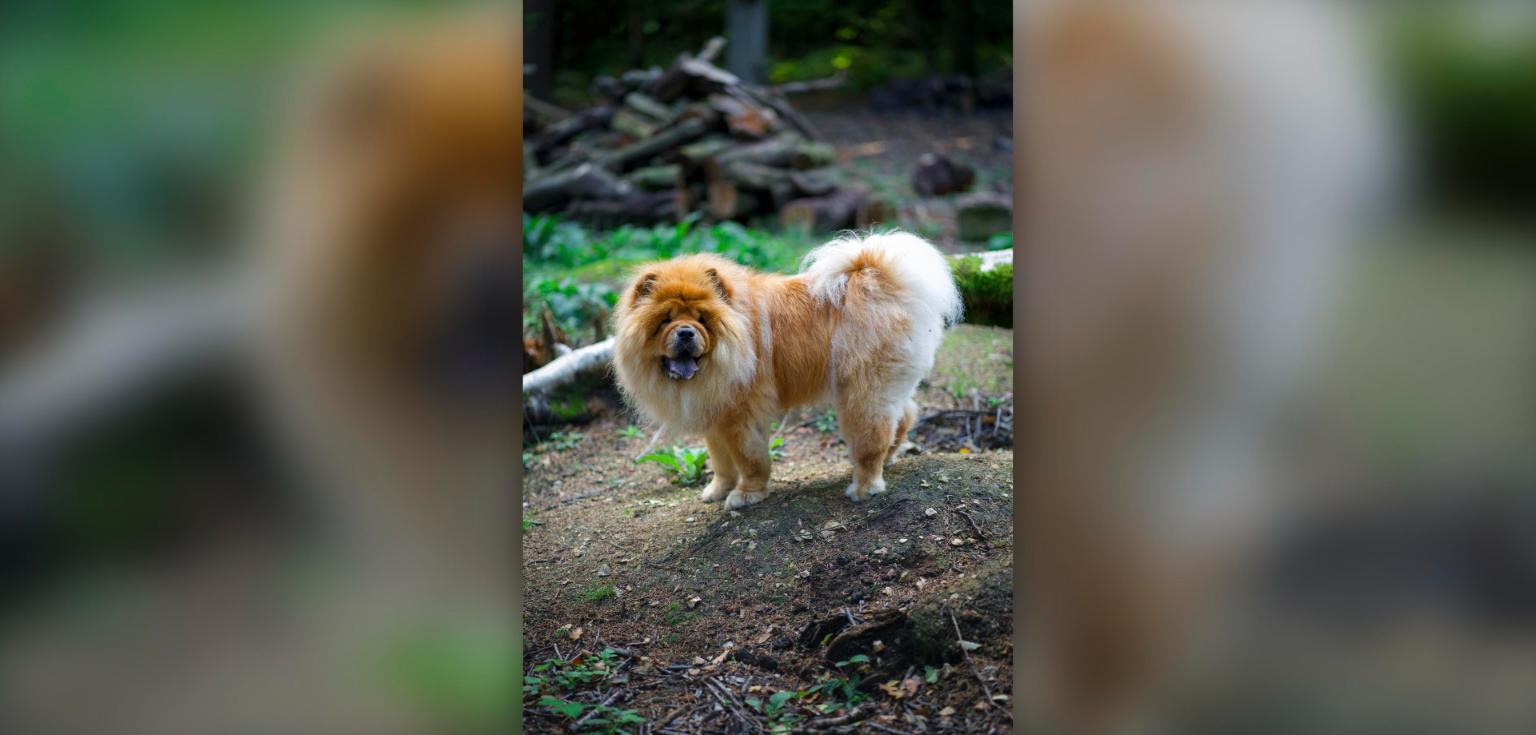
Two modes, two sets of rules
The fix is to stop pretending every walk is the same.
Training mode is work time. Criteria matter. You're rewarding position, stopping when the lead goes tight, and keeping things short. The rules apply every single time.
Leisure mode is off duty. Your Chow can sniff, wander and decompress on a longer lead. No formal expectations, no corrections. Genuine freedom.
Both are real. Both matter. And leisure mode is what makes training mode work.
Why Chows need the downtime
As far as the records show, Chows weren't bred to look to you for instructions all day. Breed histories describe them as independent, all-purpose working dogs, and many still like to make their own decisions. So when every walk feels like an exam, a lot of Chows simply check out.
A checked-out Chow is a pulling Chow.
Give them proper downtime and they'll actually turn up for the bits where you need them. It's a bit like work. You'll concentrate far better in a meeting if you know there's a tea break coming.
How to set it up
- Pick a signal for each mode. 'Let's work' for training mode, 'go sniff' for leisure mode works well. Use the same words every time.
- Everyone uses the same signals. If your partner walks the dog too, they need to know the words and the rules.
- Keep training mode short. Five minutes is plenty to start with. Short and clean beats long and messy every time.
- Then switch. Say 'go sniff', let the lead out and let your Chow be a dog.
- Switch back for a few minutes later on. A walk might be five minutes of training, ten of sniffing, five of training, and home.
What if they pull in leisure mode?
On a longer lead in leisure mode, you're not working on loose lead skills. But you're still not going to let your Chow tow you down the road either. If it all goes wrong, switch back to training mode for a minute, get some calm, then release them again.
A double-ended lead makes this easy, because you can go from short to long in seconds.
The bit that surprises people
Most owners expect that giving their Chow more freedom will make the pulling worse. In my experience it's usually the opposite. A Chow who knows sniffing time is coming has far less reason to fight you for it.
Quick answers
What is training mode and leisure mode on a walk?
Training mode is short, focused work where the rules apply every time. Leisure mode is off-duty time where your Chow can sniff and wander on a longer lead with no formal expectations.
Will letting my Chow sniff make pulling worse?
Usually the opposite. A Chow who knows sniffing time is coming has less reason to fight you for it, and is more willing to work in the training bits.
How long should a training session on a walk be?
Around five minutes to start with. Short and clean beats long and messy, then switch to leisure mode.
Now it's your turn
Choose your two words today and write them on a sticky note by the front door. On your next walk, do just five minutes of training mode, then say 'go sniff' and let your Chow off duty for the rest.
The full loose lead progression, from the calm exit to walking past distractions, is in Chow Chow Foundations.
Find out more about Chow Chow Foundations
Want a tip like this every week? Join my free Sunday newsletter and get the Chow Chow Basics guide too.