
Trigger Stacking: Why Your Chow Was Fine Yesterday, Not Today
'He's walked past that dog a hundred times. Today, he lost it.'
I hear this a lot. And very often, the answer is trigger stacking.
It isn't a formal scientific term. It's a model trainers use to explain how stress builds up, and it's a really useful way to think about your Chow's day.
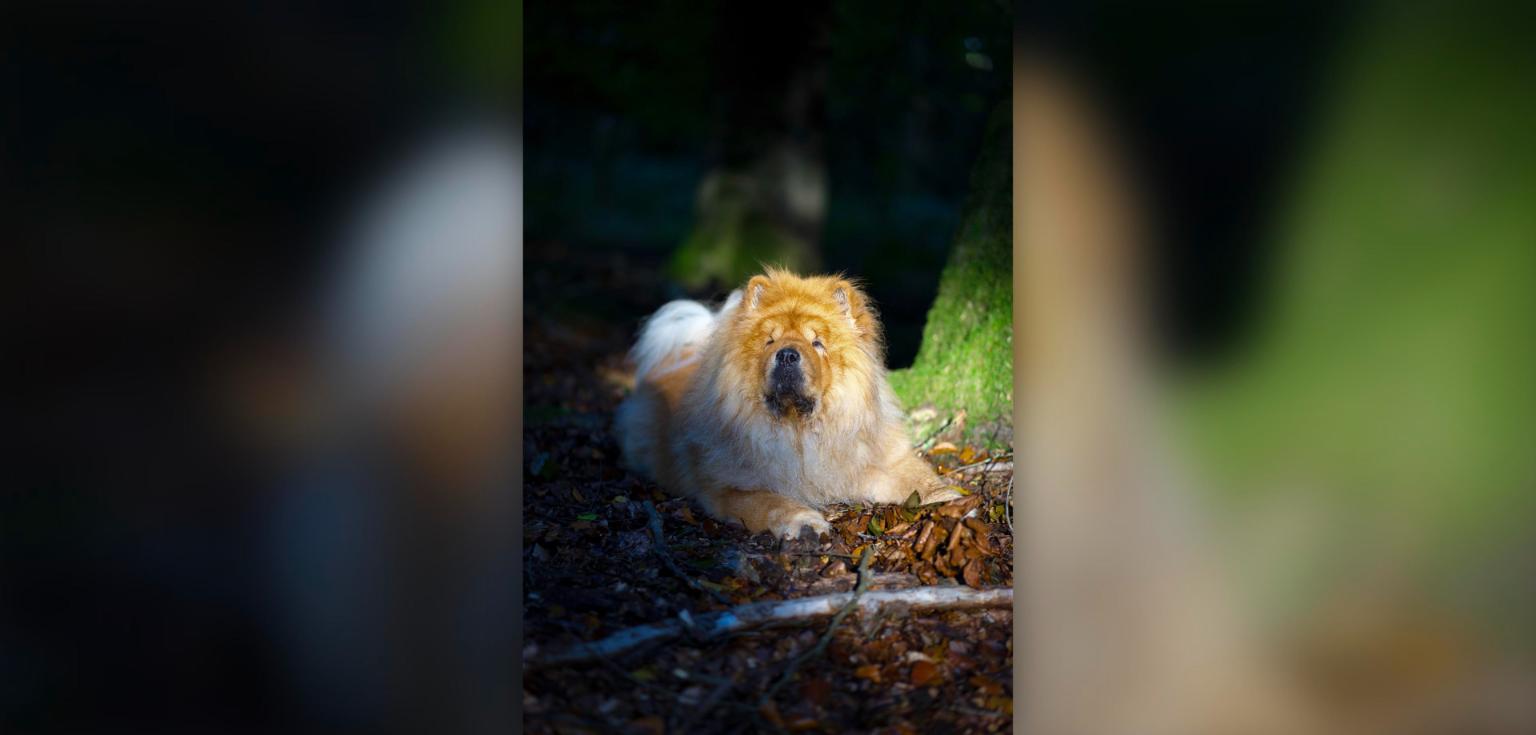
What trigger stacking is
Imagine your Chow has a stress bucket.
Every stressful thing adds a bit of water. A noisy delivery. A visitor. A bin lorry. A bad night's sleep. A sore paw. A dog barking behind a fence.
Each one on its own might not overflow the bucket. But together, they fill it up. Then one more small thing, like the dog on the corner they usually ignore, and it spills over.
That's when you see the bark, the lunge, the growl.
Why it matters
Trigger stacking explains why behaviour isn't consistent. It's not that your Chow is being 'naughty' or random. It's that their bucket was fuller today.
It also explains why one stressful day can affect the next. Stress takes time to drain away. You'll often hear a figure of 72 hours, but there's little good evidence for an exact number. Watch your own Chow instead.
Common things that fill the bucket
- Poor sleep, or not enough rest
- Pain or illness, even mild
- Visitors or changes at home
- Fireworks, storms, building work
- Vet or grooming visits
- Hunger
- Hot weather, especially for a Chow
- Several triggers on one walk
How to keep the bucket emptier
Know your Chow's triggers. Write them down. Dogs, bikes, runners, kids on scooters, men in hats. Whatever they are.
Plan your walks. Choose routes and times that avoid the worst of them, especially on harder days.
Build in rest. After a stressful day, give your Chow an easy one. A sniffy walk somewhere quiet, or a day of enrichment at home.
Prioritise sleep. Adult dogs need a lot of rest. A Chow who's had a busy, interrupted day is running on a fuller bucket.
Use calming activities. Many dogs find sniffing, licking and chewing settling.
Rule out pain. If behaviour changes suddenly, see your vet.
What to do in the moment
If your Chow is close to their limit on a walk, don't push on. Turn round. Create distance. Go home. A short walk that ends calmly is far better than a long one that ends in a reaction.
A note for you
This applies to humans too. If you've had a terrible day, your patience is lower. That's normal. On those days, keep the walk easy. Dogs can pick up on our stress too. One Swedish study found that owners' and dogs' long-term stress levels tended to match.
Quick answers
What is trigger stacking?
When several stressful events happen close together, stress builds up. Your dog can react to something small because they were already near their limit.
How long does it take a dog to recover from stress?
There is no fixed time. You will often hear that stress hormones take 72 hours to settle, but there is little good evidence for an exact figure. Many dogs seem more sensitive for a day or two after a big scare, so quiet, easy days help.
How can I prevent trigger stacking?
Know your Chow's triggers, plan walks to avoid them where you can, and add rest days after stressful events.
Now it's your turn
For the next week, jot down anything stressful that happens to your Chow each day. Then note any reactions. Look back at the end of the week. You'll probably see the stack.
If reactivity is a big part of your life with your Chow, book a 1:1 consultation and we'll work out a plan together.
Want a tip like this every week? Join my free Sunday newsletter and get the Chow Chow Basics guide too.