
Winter Care for Chow Chows: Coats, Paws and Cold Weather
Chows are built for the cold. That thick double coat was made for winter.
Most Chows love a frosty morning. Many seem happier in January than in July.
But winter still brings a few things to watch.
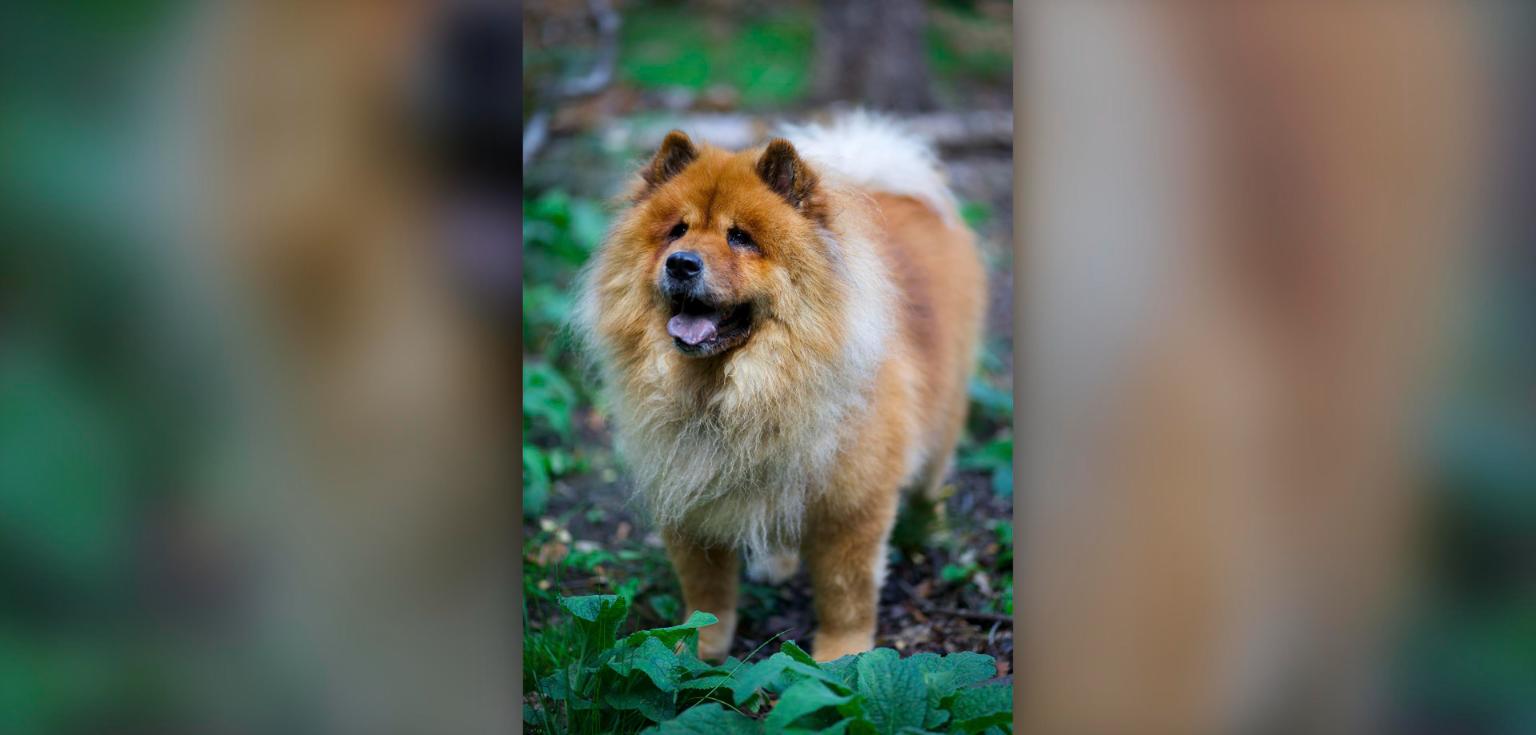
The coat
Don't shave or cut it short. The coat is your Chow's insulation, and it protects the skin from the weather and sun. Shaved plush coats can also be slow to grow back, sometimes for a year or more.
Keep brushing. Wet, muddy winter walks lead to mats if the coat isn't brushed out. Line brush down to the skin.
Dry properly. A Chow can stay damp at the skin for hours after a wet walk. Damp skin under a thick coat can lead to hot spots. Towel off, then let them dry somewhere warm, or use a dryer if they're used to one.
Paws
Winter is hard on paws.
- Road grit and salt can irritate pads and is harmful if licked off. Rinse paws with lukewarm water after walks and dry them well.
- Ice balls can form in the fur between the toes. Check after snowy walks.
- Trim the fur between the pads so less snow and grit collects. A groomer can help.
- Check for cracks in the pads. Speak to your vet if they look sore.
Antifreeze
This is the big one. Many antifreezes taste sweet to dogs, and even a small amount can be fatal. Some brands add a bitter taste, but they're still dangerous.
- Store it securely, high up
- Clean up any spills straight away
- Watch for puddles on driveways and in car parks
If you think your Chow has licked any, call your vet immediately. Don't wait for symptoms.
Ice and snow
- Frozen ponds and lakes are dangerous. Keep your Chow on lead near water in winter.
- Slippery paths are hard on joints, especially for older Chows. Slow down.
- Snow can hide hazards like broken glass.
Do Chows need a coat?
Most healthy adult Chows don't. Their own coat does the job.
Older Chows, poorly Chows or very young puppies might feel the cold more. If you're not sure, ask your vet.
Food and exercise
Some Chows are less active in winter. If they're walking less, keep an eye on their weight. Count treats as part of their daily food.
Dark mornings and evenings
Walk in daylight where you can. If you're out in the dark, light up your Chow and yourself.
A note on health. This post is general information, not a diagnosis or a replacement for your vet. If you're worried about your Chow, or things aren't improving or are getting worse, we recommend you speak to your vet.
Quick answers
Do Chow Chows need a coat in winter?
Most healthy adult Chows do not. Their double coat insulates them well. Older or unwell Chows may need extra warmth, so ask your vet.
How do I protect my Chow's paws in winter?
Rinse and dry paws after walks to remove road grit and salt, check for ice balls between the toes, and keep the fur between the pads tidy.
Is antifreeze dangerous for dogs?
Yes, extremely. Many antifreezes taste sweet to dogs and even a small amount can be fatal. Clean up spills and store it securely. Call your vet straight away if you think your Chow has licked any.
Now it's your turn
Put an old towel and a bowl by the back door tonight. After every winter walk this week, rinse and dry your Chow's paws. Make it quick, calm and rewarded, and it'll become part of the routine.
Want a tip like this every week? Join my free Sunday newsletter and get the Chow Chow Basics guide too.