Chow Chow Mixes: What to Expect From Popular Chow Crosses
'What's he crossed with?'
If you've got a Chow mix, you'll hear that question on every walk. And honestly, sometimes even the owner doesn't know.
Chow crosses are everywhere. Some are planned, plenty are accidents, and lots end up in rescue centres waiting for someone who understands them. So whether you've already got one or you're thinking about it, here's what to expect.
I'll be straight about one thing first. Nobody can tell you exactly what your mix will be like. Not a breeder, not a website, not me. But we can make some very good educated guesses.
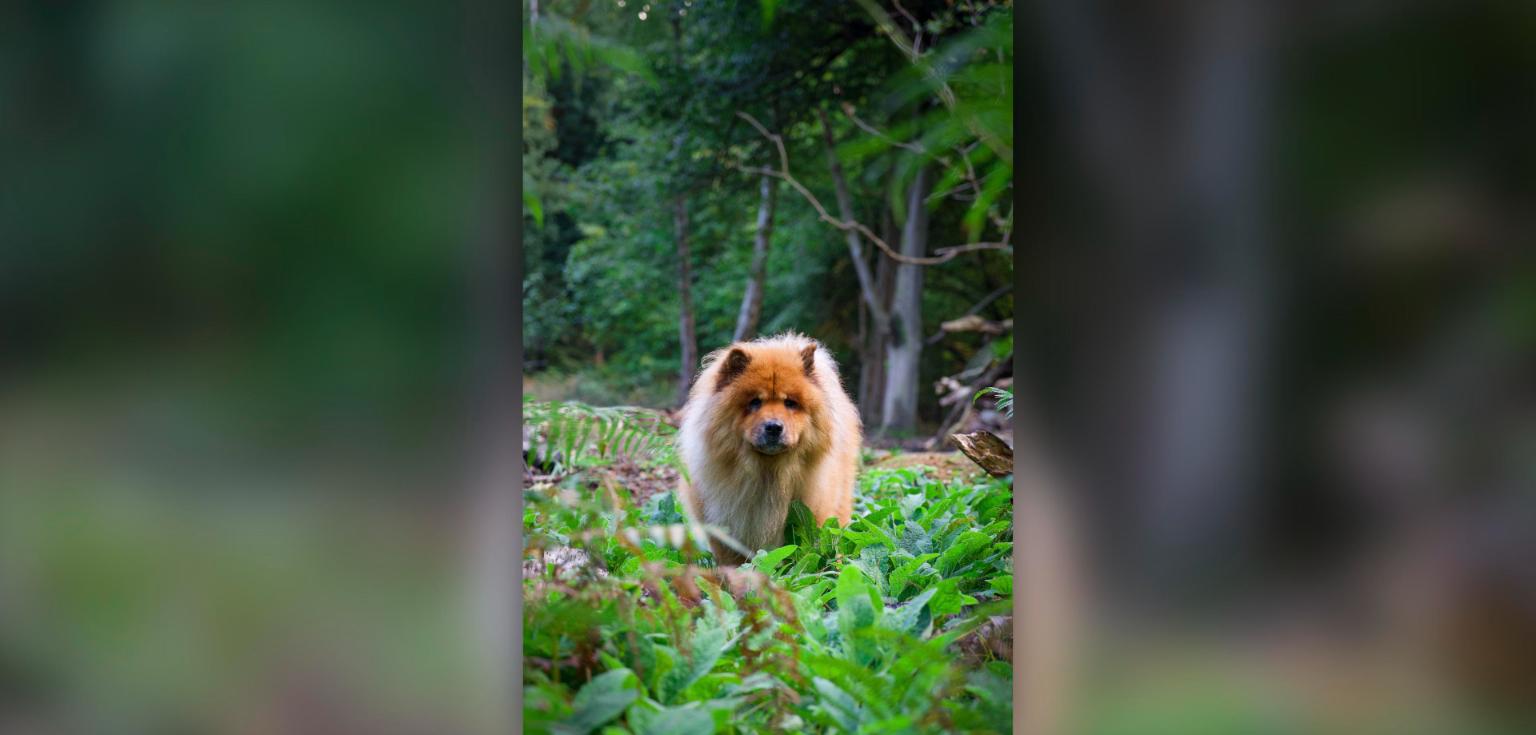
Why every Chow mix is different
A mixed puppy gets half its genes from each parent. Which traits come through, and how strongly, is a lottery.
So two puppies in the same litter can look and behave completely differently. One might look like a fluffy Chow with floppy ears. Its sister might look like a Labrador with a curly tail.
And looks don't predict personality. A large 2022 study in Science looked at the genetics and behaviour of thousands of dogs. Breed explained only about 9% of the differences in behaviour between individual dogs. Upbringing, experiences, training and health matter enormously.
So use the breeds as a starting point, not a script.
What Chow traits often show up
These are tendencies, not guarantees.
- The coat. Most Chow mixes have a thick double coat. Many moult heavily once or twice a year.
- The tongue. Some have a fully dark tongue, some have spots, some have a pink one. A spotted tongue doesn't prove Chow ancestry, because plenty of breeds have spots. More in which breeds have blue tongues.
- The tail. A curled tail carried over the back is common.
- Independence. Many Chow mixes like to think for themselves.
- Reserve with strangers. Plenty are friendly with their family and polite but cool with everyone else.
- Heat sensitivity. In a 2020 UK study of vet records, purebred Chows had the highest odds of heat-related illness of any breed studied. There's no research on Chow crosses specifically, but a thick coat and a Chow-shaped face are good reasons to be careful in warm weather.
The most popular Chow crosses
Here are the crosses people search for most. Each one blends two very different dogs, so I've included what the other breed usually brings and what to watch for.
Chow x Labrador
Labradors are usually outgoing, food-motivated and keen to work with people. Crossed with a Chow, you might get a friendlier, more biddable dog than a typical Chow. Or a dog with a Labrador's appetite and a Chow's independence.
Watch for: weight. Labradors are famously food-motivated, so measure meals and count treats.
Chow x German Shepherd
German Shepherds are working dogs, usually high energy and very alert. Both breeds tend to be watchful and protective, so this cross can be a keen guard.
Watch for: under-socialisation. A protective, under-socialised dog of this size needs careful, early work around visitors. Both parent breeds are also affected by hip and elbow problems.
Chow x Husky
Huskies are bred to run long distances, they're often escape artists and many have a strong chase instinct. That's a lot of energy mixed with a lot of independence.
Watch for: recall and fences. Use a long line and check your garden. Expect two thick coats' worth of moulting.
Chow x Golden Retriever
Goldens are usually gentle, sociable and eager to please. This cross often softens the Chow's reserve, but you can still get a dog who's wary of strangers.
Watch for: grooming. Two long double coats can mean serious matting if you don't brush down to the skin.
Chow x Rottweiler
Rottweilers are large, powerful and protective. This can be a big, strong dog with guarding instincts from both sides.
Watch for: size and strength. Start socialisation and loose lead walking early, before they're bigger than you.
Chow x Akita
Both breeds have very old ancestry, and both are known for being independent and reserved. This cross often ends up very Chow-like in personality.
Watch for: other dogs. Careful socialisation and slow introductions matter.
Chow x Shar-Pei
Both breeds come from China, and both have dark tongues and a reserved temperament.
Watch for: eyes. Both breeds are predisposed to entropion, where the eyelid rolls inwards. Get any squinting or watery eyes checked quickly. More in entropion and eye care.
Chow x Pomeranian, Samoyed and other spitz breeds
These look like 'mini' or 'teddy' Chows, and they're often sold that way. Size can vary a lot, especially when the parents are very different sizes.
Watch for: anyone selling a 'miniature Chow' as a breed. There's no recognised mini Chow Chow.
Chow x Poodle
Sometimes sold as a low-shedding option. Be careful. A cross can inherit the Chow's double coat, the Poodle's curly coat or a mix of the two. No mixed-breed coat is guaranteed to be low-shedding or hypoallergenic.
Chow x Staffy and pit bull types
These crosses are common in rescue in the UK and the US.
In the UK, check the law. Under the Dangerous Dogs Act 1991, certain dogs are banned by type, not just breed, including the Pit Bull Terrier type. A court looks at a dog's physical features, so a cross can be covered. XL Bully type dogs have also been banned in England and Wales since 1 February 2024 unless they have an exemption certificate. If you're unsure about a dog's type, get advice before you take them on.
Staffordshire Bull Terriers are not a banned breed.
Health: are mixes healthier?
You'll often hear that crossbreeds are automatically healthier. The research doesn't really support that.
- A US study of over 27,000 dogs, published in 2013, looked at 24 inherited conditions. Ten were more common in purebred dogs, one was more common in mixed breeds, and 13 showed no difference.
- A 2024 Royal Veterinary College study compared Cockapoos, Labradoodles and Cavapoos with their parent breeds. In 86.6% of the comparisons, there was no difference in disorder risk.
So a Chow mix can still inherit:
- Eyelid problems like entropion
- Hip and elbow dysplasia
- Thyroid problems
- Allergies and skin problems
If you're buying a Chow cross puppy, ask about health testing for both parents, just as you would for a purebred. The BVA hip and elbow schemes are open to crossbreeds too, and a vet can examine the parents' eyes. Here's what each health test means.
Grooming a Chow mix
Assume a double coat until proven otherwise.
- Line brush in sections, right down to the skin, several times a week.
- Brush daily during a moult.
- Dry properly after baths and wet walks, all the way to the skin.
- Don't shave a double coat unless your vet advises it.
More in moulting season and how often to bath a Chow.
Training a Chow mix
In my experience of working with over 50 Chows, the same approach works for Chow mixes whichever way they lean.
- Keep sessions short. A few minutes, stopping while it's going well.
- Pay well. Use food your dog actually wants.
- Socialise early and calmly, at a distance your dog is comfortable with.
- Learn their body language, especially the small signals.
- Never use force. Research has linked aversive methods with more stress in dogs.
If your mix leans towards the other breed's energy, like a Husky or Shepherd cross, add more sniffing, brain games and structured activity. If they lean Chow, expect a thinker who needs a reason to do things.
See Chow Chow body language and why force-free training works.
Finding out what's in your mix
A DNA breed test can estimate your dog's ancestry from a cheek swab. Results are estimates, and different companies can give slightly different answers, but they're fun and sometimes useful for spotting health risks.
Just don't let the result change how you see your dog. A Chow mix is a dog first.
Thinking of adopting a Chow mix?
Rescue centres are full of them. Ask the rescue:
- What do they know about the dog's history?
- How do they behave with visitors, other dogs and handling?
- Have they been vet checked, especially eyes, hips and skin?
- Will the rescue support you after adoption?
Read adopting a rescue Chow before you go and meet them. And if you'd like the full picture of the purebred side, start with my complete Chow Chow breed guide and the guide to breeds similar to Chow Chows.
A note on health. This post is general information, not a diagnosis or a replacement for your vet. If you're worried about your dog, or things aren't improving or are getting worse, we recommend you speak to your vet.
Sources
- Morrill and others (2022), 'Ancestry-inclusive dog genomics challenges popular breed stereotypes', Science
- Bellumori and others (2013), 'Prevalence of inherited disorders among mixed-breed and purebred dogs: 27,254 cases (1995 to 2010)', Journal of the American Veterinary Medical Association
- Bryson, O'Neill, Packer and others (2024), Royal Veterinary College research on designer crossbreeds and their parent breeds, summary via Improve International
- British Veterinary Association, Hip and Elbow Scheme FAQs
- Hall, Carter and O'Neill (2020), heat-related illness in UK dogs, Scientific Reports
- Renfrewshire Council, Dangerous and illegal dogs (on type, not breed)
- Buckinghamshire Council, About the ban on XL Bully dogs
Quick answers
What is a Chow Chow mix?
Any dog with a Chow Chow parent or grandparent and another breed in the family. Some are planned crosses, many are accidental, and lots end up in rescue. A Chow mix can take after either side, or be a blend of both.
What do Chow mixes look like?
It varies hugely, even in one litter. Many have a thick coat, a curled tail, a broad head or a spotted or dark tongue, but none of these is guaranteed. A DNA breed test gives an estimate of a dog's ancestry if you want to know more.
Are Chow Chow mixes aggressive?
No cross is aggressive by default. Behaviour comes from genetics, early experiences, training and health, and a large 2022 study found breed explains only about 9% of behaviour differences between individual dogs. Many Chow mixes are reserved with strangers, so early socialisation matters.
Are Chow mixes healthier than purebred Chows?
Not automatically. Studies comparing purebred and mixed-breed dogs found many inherited conditions were just as common in both. A Chow mix can inherit eyelid, hip and elbow problems from either side, so ask about both parents' health.
Do Chow mixes shed?
Almost always. Most of the breeds crossed with Chows also have double coats, so expect heavy seasonal moults. Even a cross with a Poodle can end up with a shedding coat.
Is a Chow mix a good family dog?
It can be, in the right home. It depends on the individual dog, the other breed in the mix and how they were raised. Meet the dog, ask about their history, and plan calm, supervised introductions with children.
Now it's your turn
If you've got a Chow mix, spend ten minutes this week watching them and jot down which side you see most. The coat, the independence, the energy, the way they greet visitors. That list tells you where to focus your training.
And if your mix is a puzzle you'd like help with, book a 1:1 consultation and we'll work out what makes them tick.
Want a tip like this every week? Join my free Sunday newsletter and get the Chow Chow Basics guide too.